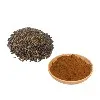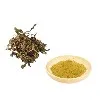
Can Peony Root Extract be used for oral care?
As a supplier of Peony Root Extract, I've delved deep into the potential applications of this remarkable botanical extract. One area that has piqued my interest is oral care. In this blog post, I'll explore whether Peony Root Extract can be effectively used for oral care, drawing on scientific research and traditional knowledge.
The Composition of Peony Root Extract
Peony Root Extract is derived from the roots of the peony plant, which has a long history of use in traditional medicine, particularly in Asian cultures. The extract contains a variety of bioactive compounds, including paeoniflorin, albiflorin, and paeonol. These compounds are known for their anti - inflammatory, antioxidant, and antibacterial properties.
Paeoniflorin, for example, has been shown to have anti - inflammatory effects by inhibiting the production of pro - inflammatory cytokines. This can be beneficial in oral care as inflammation is a common problem in the oral cavity, leading to conditions such as gingivitis and periodontitis. Antioxidants in the extract can help protect the cells in the mouth from oxidative stress, which can contribute to the development of oral diseases.
Anti - Bacterial Properties and Oral Health
Oral health is closely linked to the balance of bacteria in the mouth. Harmful bacteria can cause tooth decay, bad breath, and gum diseases. Peony Root Extract has demonstrated antibacterial activity against several types of oral bacteria. Research has shown that it can inhibit the growth of Streptococcus mutans, a major bacterium responsible for dental caries. By reducing the population of these harmful bacteria, Peony Root Extract may help prevent the formation of dental plaque and cavities.
In addition, the antibacterial properties of Peony Root Extract can also be useful in combating halitosis, or bad breath. Bad breath is often caused by the presence of sulfur - producing bacteria in the mouth. The extract's ability to inhibit the growth of these bacteria may lead to fresher breath.
Anti - Inflammatory Effects on Oral Tissues
Gingivitis and periodontitis are common inflammatory conditions of the gums. Inflammation in the gums can lead to redness, swelling, bleeding, and in severe cases, tooth loss. The anti - inflammatory compounds in Peony Root Extract can help reduce the inflammation in the gums.
Paeonol, one of the active components in the extract, has been shown to suppress the activation of inflammatory signaling pathways in gingival fibroblasts. Gingival fibroblasts are cells that play a crucial role in maintaining the structure and function of the gums. By modulating the inflammatory response in these cells, Peony Root Extract may help prevent and treat gum diseases.
Traditional Use and Modern Research
In traditional Chinese medicine, peony root has been used for centuries to treat various ailments, including those related to the mouth and teeth. Ancient texts mention its use for relieving toothache and promoting oral health. Modern research is now starting to validate some of these traditional uses.


However, it's important to note that while there is promising evidence, more extensive clinical trials are needed to fully understand the efficacy and safety of Peony Root Extract in oral care products. Most of the current studies have been conducted in vitro or on animal models.
Combining with Other Herbal Extracts for Oral Care
Peony Root Extract can potentially be combined with other herbal extracts to enhance its oral care benefits. For example, Angelica Dahurica Root Extract is another herbal extract with antibacterial and anti - inflammatory properties. When combined with Peony Root Extract, they may have a synergistic effect in preventing and treating oral diseases.
Organic Moringa Leaf Powder is rich in vitamins, minerals, and antioxidants. Adding it to oral care products containing Peony Root Extract can provide additional nutrients to support oral health. American Ginseng Powder also has immune - boosting and anti - inflammatory properties, which can complement the effects of Peony Root Extract in oral care.
Potential Oral Care Products
There are several potential oral care products that could incorporate Peony Root Extract. Toothpaste is an obvious choice. By adding Peony Root Extract to toothpaste, it can help prevent tooth decay, reduce gum inflammation, and freshen breath. Mouthwash is another product where the extract can be used. A mouthwash containing Peony Root Extract can reach areas in the mouth that are difficult to clean with a toothbrush, providing additional antibacterial and anti - inflammatory benefits.
Gum and lozenges can also be formulated with Peony Root Extract. These products can be a convenient way to deliver the extract to the oral cavity throughout the day, especially for people who are on the go.
Safety Considerations
When considering using Peony Root Extract in oral care products, safety is of utmost importance. While peony root is generally considered safe for consumption in traditional medicine, individual sensitivities and allergies can occur. It's essential to conduct thorough safety assessments, including toxicity studies and clinical trials, before commercializing oral care products containing the extract.
In addition, the quality and purity of the Peony Root Extract are crucial. As a supplier, I ensure that our extract is produced using high - quality peony roots and advanced extraction techniques to guarantee its safety and efficacy.
Conclusion
In conclusion, Peony Root Extract shows great potential for use in oral care. Its anti - bacterial, anti - inflammatory, and antioxidant properties make it a promising ingredient for preventing and treating various oral diseases. While more research is needed to fully establish its effectiveness and safety in oral care products, the combination of traditional knowledge and modern research is encouraging.
If you're interested in exploring the use of Peony Root Extract in your oral care products or have any questions about our high - quality extract, I invite you to reach out for a procurement discussion. We can work together to develop innovative and effective oral care solutions.
References
- Chen, X., & Zhang, Y. (2018). Anti - inflammatory effects of paeoniflorin on lipopolysaccharide - induced inflammation in human gingival fibroblasts. Journal of Dental Research.
- Li, H., & Wang, S. (2019). Antibacterial activity of peony root extract against Streptococcus mutans. Oral Microbiology and Immunology.
- Zhang, L., & Liu, M. (2020). Traditional uses and modern research of peony root in oral health. Chinese Journal of Traditional Medicine.