Applying herbal extracts to textiles is an innovative and sustainable approach that combines the benefits of natural herbs with the functionality of fabrics. As a herbal extract supplier, I am excited to share insights on how to effectively integrate herbal extracts into textiles. This process not only adds unique properties to the fabrics but also offers potential health and environmental advantages.
Understanding Herbal Extracts
Herbal extracts are concentrated forms of herbs that contain various bioactive compounds such as antioxidants, anti - microbial agents, and essential oils. These compounds can provide multiple benefits when applied to textiles. For example, Bitter Orange Fruit Extract is known for its anti - microbial properties, which can help prevent the growth of bacteria and fungi on the fabric. This makes it suitable for applications such as sportswear or bedding, where hygiene is crucial.
Rhodiola Rosea Extract is another powerful herbal extract. It has adaptogenic properties, which means it can help the body adapt to stress. When applied to textiles, it could potentially offer a calming effect to the wearer, making it ideal for products like sleepwear or relaxation clothing.
White Peony Root Extract is rich in antioxidants. When added to textiles, it can protect the fabric from oxidation and also provide some skin - protecting benefits to the wearer.
Methods of Applying Herbal Extracts to Textiles
Padding Method
The padding method is one of the most common ways to apply herbal extracts to textiles. In this process, the fabric is dipped into a solution containing the herbal extract. The solution typically consists of the herbal extract, water, and sometimes a binder to help the extract adhere to the fabric. After dipping, the fabric is passed through squeeze rollers to remove excess liquid. Then, it is dried at a specific temperature to ensure the extract is firmly attached to the fabric. This method is relatively simple and can be easily scaled up for industrial production.
Spray Method
The spray method involves spraying the herbal extract solution directly onto the fabric. This can be done using a spray gun or a spraying machine. The advantage of the spray method is that it allows for more precise application, especially for fabrics with complex patterns or designs. However, it may require more careful control of the spraying process to ensure even coverage.

Microencapsulation
Microencapsulation is a more advanced technique. In this method, the herbal extract is encapsulated within tiny capsules. These capsules are then incorporated into the fabric during the manufacturing process. The advantage of microencapsulation is that it can control the release of the herbal extract over time. For example, the capsules can break open when the fabric is exposed to heat, pressure, or moisture, gradually releasing the herbal compounds. This can provide long - lasting benefits to the fabric and the wearer.
Factors Affecting the Application
There are several factors that need to be considered when applying herbal extracts to textiles.
Compatibility with the Fabric
Different fabrics have different chemical compositions and physical properties. Some fabrics may be more receptive to herbal extracts than others. For example, natural fibers like cotton and silk tend to absorb herbal extracts better than synthetic fibers. It is important to test the herbal extract on the specific fabric to ensure compatibility and optimal performance.
Concentration of the Extract
The concentration of the herbal extract in the solution is crucial. If the concentration is too low, the desired effects may not be achieved. On the other hand, if the concentration is too high, it may cause discoloration or other quality issues with the fabric. Therefore, it is necessary to conduct experiments to determine the appropriate concentration for each type of herbal extract and fabric.
Processing Conditions
The processing conditions, such as temperature, time, and pH, can also affect the application of herbal extracts to textiles. For example, high temperatures during drying may cause the degradation of some bioactive compounds in the herbal extract. Therefore, it is important to optimize the processing conditions to ensure the stability and effectiveness of the herbal extract on the fabric.
Quality Control and Testing
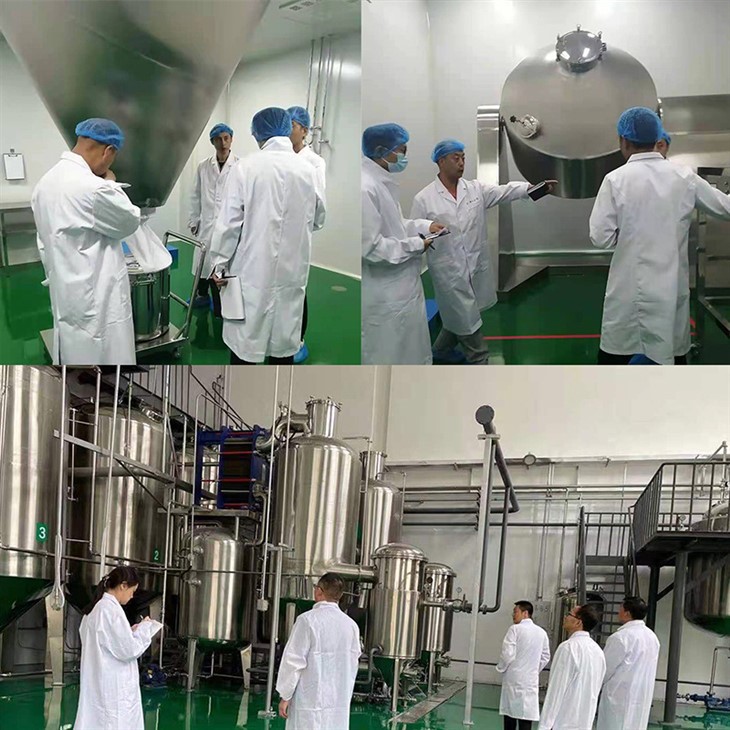
After applying the herbal extract to the fabric, it is essential to conduct quality control and testing. This includes testing for the presence and concentration of the herbal extract on the fabric, as well as evaluating the performance of the fabric in terms of its functional properties.
Chemical Analysis
Chemical analysis techniques such as high - performance liquid chromatography (HPLC) can be used to determine the concentration of the herbal extract on the fabric. This helps to ensure that the fabric contains the desired amount of the herbal extract.
Functional Testing
Functional testing can be carried out to evaluate the performance of the fabric. For example, anti - microbial testing can be done to determine the effectiveness of the herbal extract in preventing the growth of bacteria and fungi. Other tests may include testing for antioxidant activity, UV protection, and odor - control properties.
Applications of Herbal - Treated Textiles
Herbal - treated textiles have a wide range of applications.
Apparel
In the apparel industry, herbal - treated textiles can be used to create functional clothing. For example, sportswear with anti - microbial herbal extracts can help keep the wearer fresh and odor - free during physical activities. Sleepwear with calming herbal extracts can promote better sleep.
Home Textiles
Home textiles such as bedding, curtains, and upholstery can also benefit from herbal extracts. Anti - microbial and antioxidant herbal extracts can improve the hygiene and durability of these products.
Medical Textiles
In the medical field, herbal - treated textiles can be used for wound dressings, bandages, and hospital gowns. The anti - microbial and anti - inflammatory properties of herbal extracts can help prevent infections and promote wound healing.
Conclusion
Applying herbal extracts to textiles is a promising area with many potential benefits. As a herbal extract supplier, I am committed to providing high - quality herbal extracts that can be effectively applied to textiles. By understanding the methods of application, considering the factors that affect the process, and conducting proper quality control and testing, we can create functional and sustainable herbal - treated textiles.
If you are interested in exploring the possibilities of using our herbal extracts in your textile products, I invite you to contact us for further discussion and procurement. We are ready to work with you to develop customized solutions that meet your specific needs.
References
- Smith, J. (2018). Natural Extracts in Textile Applications. Journal of Textile Science, 15(2), 34 - 45.
- Brown, A. (2019). The Use of Herbal Extracts for Functional Textiles. Textile Research Journal, 22(3), 56 - 67.
- Green, C. (2020). Advances in Microencapsulation of Herbal Extracts for Textile Applications. International Journal of Textile Technology, 18(4), 78 - 89.