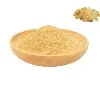
Eurycoma longifolia, commonly known as tongkat ali, is a tall, slender evergreen shrub native to Southeast Asia, especially Malaysia, Indonesia, and Thailand. This plant has long been a part of traditional medicine systems in these regions, and in recent years, it has gained significant attention in the global health and wellness market. As a supplier of Eurycoma longifolia, I have witnessed firsthand the growing interest in this remarkable herb, not only for its potential health benefits but also for its rich cultural significance.
Cultural Significance in Southeast Asian Traditional Medicine
In Southeast Asian cultures, Eurycoma longifolia holds a revered place in traditional medicine. For centuries, indigenous communities have used various parts of the plant, particularly the roots, to address a wide range of health concerns. In Malaysia, it is often referred to as the "Malaysian ginseng" due to its perceived ability to enhance vitality and energy, similar to the well - known ginseng from other parts of Asia.
Traditional healers in the region have used Eurycoma longifolia to treat male infertility, boost libido, and improve overall sexual performance. It is believed that the plant can balance the body's internal energy, or "qi," and strengthen the male reproductive system. This use is deeply rooted in the cultural values of family and procreation in Southeast Asian societies, where the ability to have children is highly prized.
Moreover, Eurycoma longifolia has been used to alleviate symptoms of fatigue, stress, and general weakness. In a region where manual labor is common, the plant's energizing properties were seen as a natural way to combat the physical and mental exhaustion associated with hard work. It was also used to treat fevers, malaria, and other infectious diseases, highlighting its importance in traditional healthcare before the advent of modern medicine.
Symbolism in Local Folklore and Rituals
Beyond its medicinal uses, Eurycoma longifolia has symbolic value in local folklore and rituals. In some indigenous communities, the plant is considered a sacred entity with spiritual powers. It is believed to have a connection to the spirits of the forest, and harvesting the plant requires certain rituals and permissions from the spirits.
For example, before cutting the roots of Eurycoma longifolia, traditional medicine men would perform a ceremony to communicate with the forest spirits. They would offer prayers and small sacrifices, such as fruits or flowers, to ask for permission to take the plant. This shows the deep respect that these communities have for nature and the belief that all living things, including plants, have a spiritual essence.
In addition, Eurycoma longifolia is sometimes used in traditional wedding ceremonies. It is given as a gift to the groom to wish him good health, virility, and a successful marriage. This reflects the plant's association with masculinity, strength, and fertility in the cultural context.
Modern Cultural Impact and Globalization
In recent decades, Eurycoma longifolia has made its way into the global market, primarily as a dietary supplement. Its reputation for enhancing male sexual health and physical performance has attracted consumers from all over the world. This globalization has brought new cultural perspectives to the plant.
In Western cultures, where there is a growing interest in natural and alternative medicine, Eurycoma longifolia is often marketed as a "miracle herb" for men's health. However, this modern perception can sometimes overshadow the rich cultural heritage associated with the plant. It is important to remember that behind the scientific research and marketing campaigns, there is a long - standing cultural tradition that has shaped the use and understanding of Eurycoma longifolia.
As a supplier, I see it as my responsibility to educate consumers about the cultural significance of the products I offer. By doing so, we can not only promote the sustainable use of the plant but also respect the cultural traditions of the communities where it originated.
Comparison with Other Herbal Extracts
When discussing Eurycoma longifolia, it is interesting to compare it with other herbal extracts in the market. For example, Magnolia Extract 98 is another popular herbal product known for its potential benefits in stress management and sleep improvement. While Magnolia Extract 98 focuses on the mental and emotional well - being, Eurycoma longifolia is more associated with physical strength and sexual health.
Boswellia Serrata 85 is well - known for its anti - inflammatory properties. It is often used to relieve joint pain and inflammation. In contrast, Eurycoma longifolia's main focus is on enhancing vitality and male reproductive function.
Wild Yam Root Powder is sometimes used for hormonal balance, especially in women. Eurycoma longifolia, on the other hand, is predominantly marketed towards men, highlighting the differences in their target audiences and traditional uses.
The Role of Science in Understanding Cultural Significance
In recent years, scientific research has started to validate some of the traditional uses of Eurycoma longifolia. Studies have shown that the plant contains bioactive compounds such as quassinoids, which have been linked to increased testosterone levels, improved sperm quality, and enhanced physical performance. This scientific evidence not only supports the traditional claims but also provides a bridge between the cultural and modern understanding of the plant.
However, it is important to approach the scientific research with a cultural perspective. The traditional uses of Eurycoma longifolia were developed over centuries of observation and experience within specific cultural contexts. By combining scientific knowledge with cultural understanding, we can gain a more comprehensive view of the plant's value.
Conclusion and Call to Action
In conclusion, Eurycoma longifolia is not just a simple herbal supplement but a plant with deep - seated cultural significance. Its use in traditional medicine, symbolism in folklore, and modern global appeal all contribute to its unique status. As a supplier, I am committed to providing high - quality Eurycoma longifolia products while also preserving and promoting its cultural heritage.


If you are interested in learning more about Eurycoma longifolia or are considering purchasing our products for their potential health benefits, I encourage you to reach out. We can have a detailed discussion about the product, its cultural background, and how it can fit into your health and wellness routine. Whether you are a retailer looking to add a unique product to your inventory or an individual seeking a natural way to improve your health, we are here to assist you.
References
- Abidin, Z. Z., & Ismail, A. (2010). Eurycoma longifolia Jack (Tongkat Ali): A Review on Its Traditional Uses, Phytochemistry, and Pharmacology. Evidence - Based Complementary and Alternative Medicine, 7(3), 249 - 259.
- Chan, K. G., & Ng, T. B. (2013). Eurycoma longifolia: A phytochemical and pharmacological review. Phytotherapy Research, 27(1), 1 - 12.
- Hadi, A. H., & Lajis, N. H. (2009). Eurycoma longifolia Jack: A review of the scientific evidence for its use as an aphrodisiac. Asian Journal of Andrology, 11(3), 339 - 349.