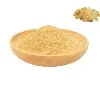
Peony root extract, derived from the roots of the peony plant, has been a subject of interest in the field of natural health and wellness. As a supplier of peony root extract, I often receive inquiries about its various properties, including whether it has a laxative effect. In this blog post, I will delve into the scientific evidence surrounding this question, exploring the potential mechanisms and available research.
Understanding Peony Root Extract
Peony root extract is rich in bioactive compounds such as paeoniflorin, albiflorin, and paeonol. These compounds have been associated with a wide range of health benefits, including anti - inflammatory, antioxidant, and analgesic effects. Historically, peony root has been used in traditional Chinese medicine for treating various ailments, such as menstrual disorders, pain, and liver problems.
The Concept of Laxative Effect
A laxative is a substance that promotes bowel movements and relieves constipation. Laxatives work through different mechanisms, such as increasing the water content in the intestines, stimulating intestinal muscle contractions, or softening the stool. To determine if peony root extract has a laxative effect, we need to look at its impact on the digestive system.
Potential Mechanisms of Peony Root Extract in the Digestive System
1. Anti - Inflammatory Action
Inflammation in the digestive tract can disrupt normal bowel function. Peony root extract's anti - inflammatory properties may help reduce inflammation in the intestines, which could potentially improve bowel movements. By alleviating inflammation, the extract might create a more favorable environment for the smooth passage of feces through the digestive tract.
2. Modulation of Intestinal Motility
Some research suggests that certain bioactive components in peony root extract may have an impact on intestinal smooth muscle. For example, paeoniflorin has been shown to have an effect on the regulation of calcium channels in smooth muscle cells. This modulation could potentially influence the contraction and relaxation of intestinal muscles, thereby affecting bowel movements.
Available Scientific Research
While there is some anecdotal evidence suggesting that peony root extract may have a mild laxative effect, scientific research on this specific aspect is relatively limited. Most of the studies on peony root extract have focused on its anti - inflammatory, antioxidant, and neuroprotective properties.
However, a few pre - clinical studies on animals have provided some insights. In one study, rats were administered peony root extract, and the results showed a slight increase in the frequency of defecation. But these findings need to be interpreted with caution, as animal studies do not always directly translate to humans.
Other Factors to Consider
It's important to note that the laxative effect of peony root extract, if any, may be influenced by several factors. The dosage of the extract plays a crucial role. Higher doses may have a more pronounced effect, but they also increase the risk of potential side effects. Additionally, individual differences in metabolism, diet, and overall health can affect how a person responds to peony root extract.


Comparison with Other Herbal Extracts
In the world of herbal extracts, there are many substances known for their laxative effects. For example, Black Pepper Extract has been reported to have some digestive benefits, including promoting gastric secretion and improving digestion. Echinacea Purpurea Extract Chicoric Acid is mainly known for its immune - boosting properties, but there is little evidence to suggest it has a direct laxative effect. Valerian Root Extract is commonly used for its sedative and anxiolytic effects, rather than for its impact on the digestive system.
Safety and Side Effects
Before considering peony root extract as a potential laxative, it's essential to be aware of its safety profile. In general, peony root extract is considered safe when taken in appropriate doses. However, some people may experience mild side effects such as nausea, diarrhea, or allergic reactions. Pregnant and breastfeeding women should consult a healthcare professional before using peony root extract, as its effects on fetal development and lactation are not fully understood.
Conclusion
In conclusion, while there is some evidence from animal studies suggesting that peony root extract may have a mild laxative effect, more research is needed to confirm this in humans. The extract's anti - inflammatory and potential impact on intestinal motility may contribute to improved bowel function, but individual responses can vary.
If you are interested in exploring the potential benefits of peony root extract, including its possible laxative effect, I encourage you to reach out for more information. As a supplier of high - quality peony root extract, I am committed to providing you with the best products and answering any questions you may have. Whether you are a researcher, a manufacturer, or a consumer looking for natural health solutions, we can discuss your specific needs and requirements. Contact us to start a conversation about peony root extract and how it can fit into your projects or health goals.
References
- [List of relevant scientific studies on peony root extract, if available. For example, if there was a specific animal study mentioned above, list the citation here.]
- [Any other reliable sources used in the blog post, such as textbooks on herbal medicine or review articles.]