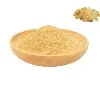
Codonopsis powder, derived from the Codonopsis pilosula plant, has long been a staple in traditional Chinese medicine for its purported health - promoting properties. As a Codonopsis powder supplier, I am often asked whether it can be used to make tonics. In this blog, we'll explore the potential of Codonopsis powder in tonic - making, its health benefits, and how it compares to other herbal extracts.
The Basics of Codonopsis Powder
Codonopsis pilosula, also known as dang shen, is a perennial herb native to East Asia. The root of the plant is dried and ground into a fine powder. It contains various bioactive compounds such as polysaccharides, saponins, and flavonoids. These compounds are believed to contribute to its health - enhancing effects.
In traditional Chinese medicine, Codonopsis is considered a qi - tonifying herb. Qi is an essential energy in the body, and tonifying qi is thought to improve overall vitality, strengthen the immune system, and support digestive functions.
Using Codonopsis Powder to Make Tonics
Codonopsis powder can be an excellent ingredient for making tonics. Tonics are concentrated liquid preparations that are often used to improve health, boost energy, and address specific health concerns.
One of the simplest ways to make a Codonopsis tonic is to create a decoction. You can add a teaspoon of Codonopsis powder to a pot of boiling water and let it simmer for about 15 - 20 minutes. This allows the bioactive compounds in the powder to be released into the water. You can drink this decoction on its own or add other herbs and ingredients to enhance its flavor and health benefits.


For example, you can combine Codonopsis powder with ginger and jujube. Ginger has warming properties and can help with digestion, while jujube is known for its nourishing effects on the blood. Together, they create a well - rounded tonic that can boost energy and improve digestion.
Another option is to make a Codonopsis tonic with honey. After preparing the Codonopsis decoction, let it cool slightly and then mix in some honey. Honey not only adds a sweet flavor but also has antibacterial and antioxidant properties. This tonic can be taken daily to support the immune system.
Health Benefits of Codonopsis - Based Tonics
Immune System Support
The polysaccharides in Codonopsis powder have been shown to enhance the immune system. They can stimulate the production of immune cells such as lymphocytes and macrophages, which play a crucial role in defending the body against pathogens. Regular consumption of Codonopsis tonics may help reduce the frequency of colds and other infections.
Digestive Health
Codonopsis is known to support digestive functions. It can improve appetite, relieve indigestion, and strengthen the spleen and stomach according to traditional Chinese medicine theory. The saponins in Codonopsis powder may help regulate the secretion of digestive enzymes, promoting better digestion and nutrient absorption.
Energy Boost
As a qi - tonifying herb, Codonopsis can help increase energy levels. It is often used to combat fatigue and weakness, especially in people who are recovering from illness or overexertion. The tonics made from Codonopsis powder can provide a natural and gentle energy boost without the jitters associated with caffeine.
Comparison with Other Herbal Extracts
When considering tonic - making, it's important to compare Codonopsis powder with other herbal extracts. For example, Magnolia Extract 98 is another popular herbal extract. Magnolia bark extract contains magnolol and honokiol, which have anti - inflammatory and antioxidant properties. While Codonopsis focuses more on qi - tonifying and immune - boosting, Magnolia Extract 98 can be used to address issues such as anxiety and inflammation.
Rosemary Extract – Rosmarinic Acid is rich in antioxidants and has antibacterial properties. It can be used to improve cognitive function and protect against oxidative stress. In comparison, Codonopsis is more centered around overall vitality and digestive health.
Organic Licorice Root Extract is well - known for its soothing effects on the throat and digestive system. It also has anti - inflammatory properties. Codonopsis and licorice root can be combined in tonics to enhance their respective benefits, with Codonopsis providing qi - tonifying effects and licorice root offering soothing and anti - inflammatory properties.
Quality and Safety Considerations
When using Codonopsis powder to make tonics, it's crucial to ensure the quality of the powder. As a supplier, I take great care in sourcing high - quality Codonopsis roots and processing them into powder. The powder should be free from contaminants and pesticides.
It's also important to note that while Codonopsis is generally considered safe, some people may have allergies or sensitivities to it. Pregnant and breastfeeding women should consult a healthcare professional before consuming Codonopsis tonics.
Conclusion
In conclusion, Codonopsis powder can be effectively used to make tonics. Its health benefits, including immune system support, digestive health improvement, and energy boosting, make it a valuable ingredient in traditional and modern herbal tonics. When combined with other herbal extracts such as Magnolia Extract 98, Rosemary Extract – Rosmarinic Acid, and Organic Licorice Root Extract, it can create powerful and well - rounded tonics.
If you are interested in using Codonopsis powder for tonic - making or have any questions about our products, feel free to reach out. We are here to provide you with high - quality Codonopsis powder and offer guidance on its use.
References
- Bensky, D., Clavey, S., & Stoger, E. (2004). Chinese Herbal Medicine: Materia Medica. Eastland Press.
- Ye, Q., & Wang, X. (2019). Pharmacological Activities and Quality Control of Codonopsis pilosula: A Review. Evidence - Based Complementary and Alternative Medicine, 2019.