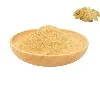
Eurycoma longifolia, commonly known as tongkat ali, is a well - recognized herb in traditional medicine, especially in Southeast Asian countries. As a supplier of Eurycoma longifolia, I am often asked various questions about its uses and potential benefits. One question that has recently emerged is whether Eurycoma longifolia can be used to treat malaria. In this blog, I will delve into the scientific evidence surrounding this claim, explore related herbal extracts, and provide an informed perspective on this matter.
Understanding Malaria
Malaria is a life - threatening disease caused by parasites of the Plasmodium genus, which are transmitted to humans through the bites of infected female Anopheles mosquitoes. Symptoms of malaria include fever, chills, headache, muscle aches, and fatigue. In severe cases, it can lead to complications such as organ failure and death. Malaria remains a significant global health problem, particularly in tropical and subtropical regions.
Traditional Use of Eurycoma longifolia
Eurycoma longifolia has a long history of use in traditional medicine. In Malaysia, Indonesia, and other Southeast Asian countries, it has been used to treat a variety of ailments, including fever, sexual dysfunction, and fatigue. The root of the plant is the most commonly used part, and it is often prepared as a decoction, powder, or tincture. The traditional use of Eurycoma longifolia for fever has led some to speculate that it may have anti - malarial properties.
Scientific Studies on Eurycoma longifolia and Malaria
To date, there have been a limited number of scientific studies investigating the anti - malarial potential of Eurycoma longifolia. Some in - vitro studies have shown that certain compounds isolated from Eurycoma longifolia, such as quassinoids, have demonstrated anti - plasmodial activity. Quassinoids are a group of bitter compounds that have been found in various plant species and are known for their biological activities, including anti - cancer, anti - inflammatory, and anti - microbial properties.


One study conducted on Plasmodium falciparum, the most deadly species of malaria parasite, found that an extract of Eurycoma longifolia root inhibited the growth of the parasite in culture. However, it is important to note that in - vitro studies have limitations. Just because a compound shows activity in a test tube does not necessarily mean it will be effective in treating malaria in humans.
In - vivo studies, which are conducted on animals, are also scarce. There is a need for more comprehensive animal studies to determine the safety and efficacy of Eurycoma longifolia as an anti - malarial agent. And ultimately, large - scale clinical trials on humans are required to establish its effectiveness in treating malaria.
Comparison with Other Herbal Extracts
While the research on Eurycoma longifolia for malaria treatment is still in its early stages, there are other herbal extracts that have been more extensively studied for their anti - malarial properties. For example, Maca Extract Powder is a well - known herbal supplement, but there is currently no scientific evidence to suggest that it has anti - malarial effects. Maca is mainly used for its potential benefits in enhancing energy, fertility, and sexual function.
Zizi Seed Extract has been used in traditional Chinese medicine for various purposes, such as promoting sleep and reducing anxiety. However, there is no significant research indicating its use in malaria treatment.
Gastrodia Elata Powder is another herbal product that has been used in traditional medicine, particularly for treating headaches, dizziness, and epilepsy. Similar to the above extracts, there is no established link between Gastrodia Elata and malaria treatment.
The Role of Eurycoma longifolia in Malaria Prevention and Treatment
Based on the current scientific evidence, it is premature to claim that Eurycoma longifolia can be used as a standalone treatment for malaria. However, it may have a role to play in malaria prevention and as an adjunct to conventional anti - malarial therapies.
In malaria - endemic regions, where access to modern medical facilities may be limited, Eurycoma longifolia could potentially be used as a preventive measure due to its traditional use for fever and its potential anti - plasmodial activity. Additionally, it may be combined with existing anti - malarial drugs to enhance their effectiveness or reduce side effects. But this requires further research to determine the optimal dosage and combination.
Safety and Side Effects
Before considering the use of Eurycoma longifolia for malaria or any other purpose, it is important to be aware of its safety profile. In general, Eurycoma longifolia is considered safe when used in appropriate doses. However, some people may experience side effects such as insomnia, restlessness, and increased blood pressure. It may also interact with certain medications, so it is advisable to consult a healthcare professional before using it, especially if you are taking anti - malarial drugs or other medications.
Conclusion and Call to Action
In conclusion, while there is some preliminary evidence suggesting that Eurycoma longifolia may have anti - malarial properties, more research is needed to establish its effectiveness in treating malaria. As a supplier of Eurycoma longifolia, I am committed to promoting the responsible use of this herbal product.
If you are interested in learning more about Eurycoma longifolia or other herbal extracts, or if you are considering purchasing our products for research or other legitimate purposes, I encourage you to reach out for a procurement discussion. We can provide you with high - quality Eurycoma longifolia products and relevant information to support your needs.
References
- "In - vitro anti - Plasmodium falciparum activity of Eurycoma longifolia Jack root extract." Journal of Ethnopharmacology.
- Traditional uses and modern research of Eurycoma longifolia in Southeast Asian medicine. A review article in a relevant herbal medicine journal.
- General information on malaria and its treatment from the World Health Organization (WHO).