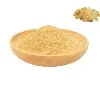
Can Peony Root Extract be used for wound healing?
Wound healing is a complex physiological process that involves multiple stages, including hemostasis, inflammation, proliferation, and remodeling. In recent years, there has been a growing interest in natural products for their potential in wound healing due to their relatively fewer side - effects and rich bioactive components. As a supplier of Peony Root Extract, I am often asked about its efficacy in wound healing. In this blog, we will explore the scientific basis behind the possible use of Peony Root Extract for wound healing.
1. Bioactive Components of Peony Root Extract
Peony root, mainly from the Paeonia species, contains a variety of bioactive compounds. One of the most well - known components is paeoniflorin. Paeoniflorin has been extensively studied for its anti - inflammatory, antioxidant, and immunomodulatory properties. In the context of wound healing, inflammation is a crucial initial stage. However, excessive or prolonged inflammation can delay the healing process. Paeoniflorin can help regulate the inflammatory response by inhibiting the production of pro - inflammatory cytokines such as tumor necrosis factor - alpha (TNF - α), interleukin - 1 beta (IL - 1β), and interleukin - 6 (IL - 6).
Another important group of compounds in peony root extract is phenolic acids. Phenolic acids have strong antioxidant activity. Oxidative stress is a significant factor that can damage cells and tissues during wound healing. By scavenging free radicals, phenolic acids in peony root extract can protect cells from oxidative damage, promote cell survival, and support the normal physiological functions of cells involved in the wound - healing process, such as fibroblasts and endothelial cells.
2. Anti - inflammatory Effects and Wound Healing
Inflammation is the body's first response to tissue injury. While it is essential for preventing infection and initiating the healing process, an over - exaggerated inflammatory response can lead to tissue damage and delayed wound closure. Peony root extract, through its bioactive components like paeoniflorin, can modulate the inflammatory cascade.
Studies have shown that paeoniflorin can inhibit the activation of nuclear factor - kappa B (NF - κB), a key transcription factor that regulates the expression of pro - inflammatory genes. By suppressing NF - κB activation, peony root extract can reduce the production of pro - inflammatory mediators, which helps to control the inflammatory response at the wound site. This controlled inflammation is beneficial for creating a favorable microenvironment for subsequent stages of wound healing, such as cell proliferation and tissue remodeling.
3. Antioxidant Activity and Wound Healing
Oxidative stress occurs when there is an imbalance between the production of reactive oxygen species (ROS) and the body's antioxidant defense mechanisms. ROS can damage cellular components, including DNA, proteins, and lipids, and impair cell function. During wound healing, the production of ROS is increased due to factors such as inflammation and the activation of immune cells.
Peony root extract's antioxidant activity helps to counteract this oxidative stress. The phenolic acids in the extract can neutralize ROS, preventing them from causing excessive damage to cells. For example, they can protect fibroblasts, which are responsible for synthesizing collagen, a key component of the extracellular matrix during wound healing. By maintaining the normal function of fibroblasts, peony root extract can support the proper formation of new tissue and the closure of the wound.
4. Promotion of Cell Proliferation and Migration
Cell proliferation and migration are essential processes in wound healing. Fibroblasts, endothelial cells, and keratinocytes all play crucial roles in these processes. Fibroblasts produce collagen and other extracellular matrix proteins, endothelial cells form new blood vessels (angiogenesis), and keratinocytes migrate to cover the wound surface.
Some studies have suggested that peony root extract may promote the proliferation and migration of these cells. The bioactive compounds in the extract can stimulate cell - signaling pathways that are involved in cell growth and movement. For example, they may activate growth factor - related pathways, which can enhance the ability of cells to divide and migrate towards the wound site. This increased cell proliferation and migration contribute to the faster closure of the wound and the formation of new tissue.
5. Comparison with Other Herbal Extracts
In the field of natural wound - healing agents, there are many other herbal extracts that are also being investigated. For example, Gastrodia Elata Powder has been reported to have certain neuroprotective and anti - inflammatory effects, but its direct application in wound healing may be more limited compared to peony root extract. Gastrodia elata powder is mainly used in traditional medicine for treating neurological disorders, and its role in promoting cell proliferation and extracellular matrix synthesis at the wound site is not as well - established as that of peony root extract.
Senna Leaf Extract is well - known for its laxative effect. Although it has some antibacterial properties, its focus is more on the digestive system rather than wound healing. In contrast, peony root extract has a more comprehensive set of properties related to wound healing, including anti - inflammatory, antioxidant, and cell - promoting effects.


White Peony Root Extract, which is a type of peony root extract, has similar bioactive components and potential wound - healing effects. It also contains paeoniflorin and phenolic acids, and its application in wound healing is based on the same scientific principles as the general peony root extract.
6. Potential Applications and Future Research
Based on the current scientific understanding, peony root extract has great potential for use in wound - healing products. It could be incorporated into topical creams, ointments, or dressings. These products could be used for various types of wounds, such as minor cuts, burns, and surgical incisions.
However, more research is needed. Future studies should focus on optimizing the extraction process to obtain the most effective bioactive components from peony root. In addition, clinical trials are required to evaluate the safety and efficacy of peony root extract in human subjects. These trials should compare different formulations and dosages of peony root extract to determine the best treatment options for wound healing.
7. Contact for Procurement
If you are interested in our Peony Root Extract for potential wound - healing applications or other uses, we would be more than happy to discuss procurement details with you. Our high - quality Peony Root Extract is sourced from reliable suppliers and undergoes strict quality control processes. Whether you are a pharmaceutical company, a cosmetics manufacturer, or a research institution, we can provide you with the appropriate product and support. Please reach out to us to start the procurement negotiation process and explore the possibilities of using our Peony Root Extract in your projects.
References
- Zhang, Y., & Li, X. (2018). Anti - inflammatory and antioxidant effects of paeoniflorin: A review. Evidence - Based Complementary and Alternative Medicine, 2018.
- Wang, L., & Liu, H. (2019). Role of oxidative stress in wound healing: A review. Oxidative Medicine and Cellular Longevity, 2019.
- Chen, S., & Wang, Y. (2020). The effect of herbal extracts on cell proliferation and migration in wound healing. Journal of Ethnopharmacology, 2020.