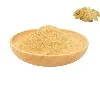
As a supplier of Peony Root Extract, I often get asked a very interesting question: Can Peony Root Extract be used in cooking? In this blog post, I'll explore this topic in depth, looking at the properties of Peony Root Extract, its potential uses in the kitchen, and some important considerations.
Understanding Peony Root Extract
Peony root has been used in traditional medicine for centuries, particularly in traditional Chinese medicine. The extract is derived from the roots of the peony plant, which contains a variety of bioactive compounds such as paeoniflorin, albiflorin, and paeonol. These compounds are believed to have anti - inflammatory, antioxidant, and analgesic properties.
The extraction process typically involves using solvents to isolate the active components from the peony roots. The resulting extract is a concentrated form of the beneficial substances found in the roots. It comes in different forms, including liquid extracts, powders, and capsules.
Culinary Potential of Peony Root Extract
Flavor Profile
Peony root extract has a somewhat unique flavor. It has a slightly bitter and astringent taste, which can add an interesting depth to dishes. In some traditional cuisines, bitter and astringent flavors are highly valued as they can balance out the sweetness, saltiness, and spiciness in a meal.
Incorporation into Dishes
- Beverages: One of the simplest ways to use Peony Root Extract in cooking is by adding it to beverages. It can be mixed into teas, either on its own or combined with other herbs like mint or chamomile. The extract can also be used in cocktails, adding a herbal and slightly bitter note. For example, a few drops of Peony Root Extract in a gin - based cocktail can create a complex and sophisticated flavor profile.
- Desserts: In desserts, Peony Root Extract can be used sparingly to add an unexpected twist. It can be incorporated into ice creams, sorbets, or custards. The bitter - astringent flavor can cut through the sweetness of these desserts, creating a more balanced taste. For instance, a vanilla ice cream with a hint of Peony Root Extract can be a unique and memorable treat.
- Savory Dishes: Peony Root Extract can also be used in savory dishes. It can be added to marinades for meats or vegetables, imparting a subtle herbal flavor. In some Asian cuisines, it can be used in stir - fries or soups. For example, a light vegetable soup with a touch of Peony Root Extract can have a more complex and interesting flavor.
Comparison with Other Extracts
When considering using Peony Root Extract in cooking, it's interesting to compare it with other popular herbal extracts.


- Rhodiola Rosea Extract: Rhodiola Rosea Extract is known for its adaptogenic properties. It has a more earthy and slightly sweet flavor compared to the bitter - astringent taste of Peony Root Extract. While Rhodiola Rosea Extract is often used in energy - boosting beverages, Peony Root Extract can be used more for its flavor - enhancing qualities in a wider range of dishes.
- Gizzard Powder: Gizzard Powder is a different type of product. It is often used for its nutritional value and has a more savory, meaty flavor. Peony Root Extract, on the other hand, is more about adding a herbal and unique flavor to dishes.
- Sophora Flavescens Extract: Sophora Flavescens Extract has antibacterial and anti - inflammatory properties. It has a bitter taste similar to Peony Root Extract, but the overall flavor profile is different. Sophora Flavescens Extract is more commonly used in traditional medicine, while Peony Root Extract has more potential in the culinary world.
Safety and Dosage Considerations
While Peony Root Extract has potential in cooking, it's important to use it safely.
- Quality: As a supplier, I always emphasize the importance of using high - quality Peony Root Extract. The extract should be sourced from reputable growers and produced using proper extraction methods to ensure its purity and safety.
- Dosage: Since Peony Root Extract has a strong flavor and contains bioactive compounds, it should be used in moderation. A little goes a long way, especially when it comes to its bitter - astringent taste. Start with a small amount and gradually adjust according to your taste preferences.
- Allergies and Interactions: Some people may be allergic to peony or its components. Additionally, Peony Root Extract may interact with certain medications. It's always advisable to consult a healthcare professional before using it, especially if you have any underlying health conditions or are taking medications.
Conclusion
In conclusion, Peony Root Extract can indeed be used in cooking. Its unique flavor profile offers an opportunity to create innovative and interesting dishes. Whether it's in beverages, desserts, or savory dishes, it can add a new dimension to your culinary creations. However, it's important to use it safely and in moderation.
If you're interested in exploring the culinary potential of Peony Root Extract, I encourage you to get in touch. As a supplier, I can provide you with high - quality Peony Root Extract and offer advice on its use in cooking. Whether you're a home cook looking to experiment or a professional chef seeking new ingredients, I'm here to assist you. Let's start a conversation and see how Peony Root Extract can elevate your cooking.
References
- "Traditional Chinese Medicine: Materia Medica." Various editions, multiple authors.
- Research papers on the chemical composition and properties of peony root extract from scientific journals such as the Journal of Ethnopharmacology.