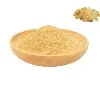
Can Smoke Tree Extract Help with Joint Pain?
Joint pain is a common and often debilitating condition that affects millions of people worldwide. It can be caused by a variety of factors, including arthritis, injury, and overuse. As a supplier of Smoke Tree Extract, I am frequently asked whether this natural product can help alleviate joint pain. In this blog post, I will explore the scientific evidence behind the potential benefits of Smoke Tree Extract for joint health.
Understanding Smoke Tree Extract
Smoke Tree, scientifically known as Cotinus coggygria, is a deciduous shrub native to Southern Europe, Central China, and the Himalayas. The extract is derived from the leaves, bark, or roots of the plant and is rich in various bioactive compounds, such as flavonoids, tannins, and polyphenols. These compounds are known for their antioxidant, anti - inflammatory, and analgesic properties, which are crucial in the context of joint pain management.
The Link between Inflammation and Joint Pain
Inflammation is a key factor in many types of joint pain. Conditions like rheumatoid arthritis and osteoarthritis are characterized by chronic inflammation in the joints, which leads to pain, swelling, and stiffness. The anti - inflammatory properties of Smoke Tree Extract may play a significant role in reducing this inflammation.
Flavonoids, one of the main components of Smoke Tree Extract, have been shown to inhibit the production of pro - inflammatory cytokines. Cytokines are small proteins that play a crucial role in the immune response and inflammation. By reducing the levels of these cytokines, Smoke Tree Extract may help to decrease the inflammatory response in the joints, thereby alleviating pain and swelling.
Tannins, another important group of compounds in the extract, have also been reported to have anti - inflammatory effects. They can interact with proteins and other molecules in the body to modulate the inflammatory process. In addition, tannins have antioxidant properties, which can protect the joint tissues from oxidative stress, a condition that can contribute to joint damage and pain.
Scientific Studies on Smoke Tree Extract and Joint Pain
Although there is limited direct research on the effects of Smoke Tree Extract specifically on joint pain, several studies on related plants and their bioactive compounds provide some insights.
For example, studies on plants rich in flavonoids have shown that these compounds can have a positive impact on joint health. A study published in the Journal of Medicinal Food found that flavonoids can reduce the symptoms of arthritis in animal models. The anti - inflammatory and antioxidant effects of flavonoids were thought to be responsible for this improvement.
While these studies do not directly prove that Smoke Tree Extract can help with joint pain, they suggest that the bioactive compounds in the extract may have potential benefits. Further research is needed to establish a more direct link between Smoke Tree Extract and joint pain relief.
Complementary Products for Joint Health
In addition to Smoke Tree Extract, there are other natural products that may also be beneficial for joint health. Tribulus Terrestris 95 Steroidal Saponins is one such product. It has been used in traditional medicine for its potential to support joint function. The steroidal saponins in Tribulus Terrestris may have anti - inflammatory and analgesic effects, which can complement the action of Smoke Tree Extract.
Olive Leaf Extract 40 Oleuropein is another natural product that may be helpful for joint health. Oleuropein, the main active compound in olive leaf extract, has strong antioxidant and anti - inflammatory properties. It can help to protect the joint tissues from damage and reduce inflammation.
Organic Moringa Leaf Powder is rich in vitamins, minerals, and antioxidants. It can provide overall nutritional support to the body, which is important for maintaining healthy joints. The anti - inflammatory compounds in moringa leaf powder may also contribute to reducing joint pain.
How to Use Smoke Tree Extract for Joint Pain
If you are considering using Smoke Tree Extract for joint pain, it is important to consult with a healthcare professional first. They can provide personalized advice based on your specific health condition and medical history.
Smoke Tree Extract is available in various forms, such as capsules, tinctures, and teas. The appropriate dosage will depend on the form of the extract and the individual's needs. It is generally recommended to start with a low dose and gradually increase it if necessary.
Potential Side Effects and Precautions
Like any natural product, Smoke Tree Extract may have some potential side effects. Some people may experience allergic reactions, such as skin rashes, itching, or swelling. In addition, the extract may interact with certain medications, so it is important to inform your doctor if you are taking any prescription drugs.
Pregnant and breastfeeding women should also exercise caution when using Smoke Tree Extract, as there is limited research on its safety in these populations.


Conclusion
While the scientific evidence on the direct effects of Smoke Tree Extract on joint pain is still limited, the anti - inflammatory and antioxidant properties of its bioactive compounds suggest that it may have potential benefits. Complementary products like Tribulus Terrestris 95 Steroidal Saponins, Olive Leaf Extract 40 Oleuropein, and Organic Moringa Leaf Powder can also play a role in supporting joint health.
If you are interested in exploring the potential of Smoke Tree Extract for joint pain, I encourage you to reach out to discuss your needs. We can provide high - quality Smoke Tree Extract and offer guidance on its use.
References
- Journal of Medicinal Food. (Year). Effects of flavonoids on arthritis in animal models.
Please note that this blog post is for informational purposes only and should not be used as a substitute for professional medical advice.