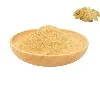
Hey there! As a supplier of Eucommia Leaf Extract, I often get asked about its interactions with other medications. It's a super important topic, especially for those who are into natural supplements or are on prescription drugs. So, let's dive right in and take a closer look.
First off, what is Eucommia Leaf Extract anyway? Eucommia ulmoides is a tree native to China, and its leaves have been used in traditional Chinese medicine for centuries. The extract is believed to have a bunch of health benefits, like helping with blood pressure, improving bone health, and boosting the immune system. But when it comes to mixing it with other medications, things can get a bit tricky.
How Medications and Supplements Interact
Before we talk specifically about Eucommia Leaf Extract, let's understand how interactions between medications and supplements work. There are basically three main types of interactions:
-
Pharmacodynamic Interactions: This happens when two substances have similar or opposite effects on the body. For example, if a supplement and a medication both lower blood pressure, taking them together could cause your blood pressure to drop too low.


-
Pharmacokinetic Interactions: These involve how the body processes drugs and supplements, like how they're absorbed, metabolized, and excreted. A supplement might affect an enzyme in the liver that's responsible for breaking down a medication, leading to either higher or lower levels of the drug in your body.
-
Chemical Interactions: Sometimes, two substances can react chemically with each other, forming new compounds that might be harmful or less effective.
Potential Interactions of Eucommia Leaf Extract
Blood Pressure Medications
Eucommia Leaf Extract has been shown in some studies to have a hypotensive (blood pressure-lowering) effect. If you're already taking prescription blood pressure medications, combining them with Eucommia Leaf Extract could potentially cause your blood pressure to dip too much. This can lead to symptoms like dizziness, fainting, and even more serious complications in some cases.
For example, if you're on a beta-blocker or a calcium channel blocker, adding Eucommia Leaf Extract to the mix might enhance the blood pressure-lowering effect. It's crucial to talk to your doctor before starting any new supplement if you're on blood pressure meds.
Anticoagulants and Antiplatelet Drugs
There's some evidence that Eucommia Leaf Extract might have mild anticoagulant (blood-thinning) properties. If you're taking medications like warfarin, aspirin, or clopidogrel, the combination could increase your risk of bleeding. Bleeding can range from minor issues like nosebleeds and bruising to more serious internal bleeding.
Diabetes Medications
Eucommia Leaf Extract may also have an impact on blood sugar levels. Some studies suggest it can help regulate blood glucose. If you're on diabetes medications like insulin or oral hypoglycemic agents, taking Eucommia Leaf Extract might cause your blood sugar to drop too low (hypoglycemia). This can result in symptoms like shakiness, sweating, and confusion.
Other Supplements and Eucommia Leaf Extract
It's not just prescription medications that can interact with Eucommia Leaf Extract. Other supplements can also play a role.
Wild Yam Root Powder
Wild Yam Root Powder is often used for its potential hormonal benefits. Both Eucommia Leaf Extract and Wild Yam Root Powder might have some effects on the endocrine system. Taking them together could potentially lead to unexpected hormonal changes. It's important to consult with a healthcare professional if you're considering using both.
Tribulus Terrestris 95 Steroidal Saponins
Tribulus Terrestris is known for its possible effects on testosterone levels and athletic performance. When combined with Eucommia Leaf Extract, there's a chance of an unknown interaction, especially since both supplements can affect the body's hormonal and metabolic systems.
L-Borneol
L-Borneol has various traditional uses, including as an analgesic and anti-inflammatory agent. There's limited research on its interaction with Eucommia Leaf Extract, but since both are herbal substances, it's wise to be cautious.
What Should You Do?
If you're interested in trying Eucommia Leaf Extract, here are some steps you should take:
-
Talk to Your Doctor: This is the most important thing. Your doctor knows your medical history, current medications, and overall health. They can give you personalized advice on whether Eucommia Leaf Extract is safe for you.
-
Start Slow: If your doctor gives the green light, start with a low dose of Eucommia Leaf Extract and monitor how you feel. Pay attention to any changes in your body, such as unusual symptoms or changes in the effectiveness of your medications.
-
Keep an Eye on Your Health: Regularly check your blood pressure, blood sugar, and other relevant health markers if you're taking medications for those conditions. If you notice any significant changes, contact your doctor right away.
Why Choose Our Eucommia Leaf Extract?
As a supplier, I'm really proud of the Eucommia Leaf Extract we offer. We source our leaves from high-quality, sustainable farms in China. Our extraction process is state-of-the-art, ensuring that you get a pure and potent product. We also conduct rigorous quality control tests to make sure our extract meets the highest standards.
If you're interested in learning more about our Eucommia Leaf Extract or have any questions about its potential interactions, don't hesitate to reach out. Whether you're a retailer looking to stock our product or an individual interested in trying it, we're here to help.
Conclusion
In conclusion, while Eucommia Leaf Extract has some promising health benefits, it's crucial to be aware of its potential interactions with other medications and supplements. Always consult with a healthcare professional before adding any new supplement to your routine. If you have any further questions or are interested in purchasing our Eucommia Leaf Extract, feel free to contact me. I'm more than happy to assist you in your journey towards better health.
References
- Chen, J., & Chen, T. T. (Eds.). (2011). Pharmacology of Chinese Materia Medica. Elsevier.
- Huang, K. C. (1999). The Pharmacology of Chinese Herbs. CRC Press.
- World Health Organization. (2002). WHO Monographs on Selected Medicinal Plants, Volume 1. World Health Organization.