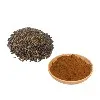
As a supplier of Hovenia Dulcis Extract, I've encountered numerous inquiries from clients about various aspects of this product. One question that often surfaces is, "Does Hovenia Dulcis Extract have a color?" In this blog, I'll delve into this topic and provide you with a comprehensive understanding.
Natural Color of Hovenia Dulcis Extract
Hovenia Dulcis Extract typically has a distinct color, which is a result of its natural composition. The extract is derived from the Hovenia Dulcis plant, also known as the Japanese raisin tree. The color of the extract can vary depending on several factors, including the extraction method, the part of the plant used, and the purity of the final product.
Generally, Hovenia Dulcis Extract has a light to medium brown color. This color is due to the presence of various bioactive compounds in the plant, such as flavonoids, tannins, and polysaccharides. These compounds not only contribute to the color but also to the extract's potential health benefits.
Factors Affecting the Color
- Extraction Method: Different extraction methods can yield extracts with slightly different colors. For example, solvent extraction methods may result in a darker color compared to water extraction. Solvents can extract a wider range of compounds, including some that may contribute to a deeper color.
- Plant Part: The part of the Hovenia Dulcis plant used for extraction can also influence the color. Extracts from the fruit may have a different color compared to those from the leaves or bark. The fruit extract may be more golden - brown, while leaf extracts might have a greener - brown tint.
- Purity: The purity of the extract plays a significant role in its color. A highly pure extract may have a more consistent and lighter color, as impurities can darken the extract. Impurities can include plant debris, residual solvents, or other non - active components.
Color as an Indicator of Quality
The color of Hovenia Dulcis Extract can be used as a rough indicator of its quality. A consistent, natural - looking color is often a sign of a well - produced extract. However, it's important to note that color alone is not a definitive measure of quality. Other factors, such as the concentration of active ingredients, the absence of contaminants, and the overall stability of the extract, also need to be considered.
For instance, if an extract has an unusually dark or uneven color, it could indicate improper extraction or the presence of impurities. On the other hand, a very light - colored extract may not necessarily be of high quality if it lacks the necessary active compounds.
Comparison with Other Herbal Extracts
To better understand the color of Hovenia Dulcis Extract, it can be helpful to compare it with other herbal extracts. For example, Icariin is another popular herbal extract. Icariin extract typically has a yellow - brown color, which is different from the brown color of Hovenia Dulcis Extract. The difference in color is due to the different chemical compositions of the two plants.
Andrographis Paniculata Powder has a greenish - brown color, which is characteristic of its plant source. The green color comes from the chlorophyll and other pigments present in the Andrographis Paniculata plant. In contrast, Hovenia Dulcis Extract lacks the greenish hue due to the absence of significant amounts of chlorophyll.
Organic Moringa Leaf Powder has a bright green color, which is a result of the high chlorophyll content in the moringa leaves. This is quite different from the brown color of Hovenia Dulcis Extract.
Applications and Color Considerations
The color of Hovenia Dulcis Extract can have implications for its applications. In the food and beverage industry, the color of the extract can affect the appearance of the final product. For example, if it is used in a beverage, the brown color of the extract may need to be adjusted or masked to achieve the desired visual appeal.
In the pharmaceutical and nutraceutical industries, the color is less of a concern as long as the extract meets the required quality standards. However, a consistent color can still be important for product consistency and consumer perception.
Quality Control and Color
As a supplier, we have strict quality control measures in place to ensure the color consistency of our Hovenia Dulcis Extract. We use standardized extraction processes and conduct regular quality checks to monitor the color and other quality parameters. This helps us to provide our customers with a high - quality product that meets their expectations.


Conclusion
In conclusion, Hovenia Dulcis Extract does have a color, typically a light to medium brown. The color is influenced by factors such as the extraction method, the part of the plant used, and the purity of the extract. While color can be a rough indicator of quality, it should be considered in conjunction with other factors.
If you are interested in purchasing Hovenia Dulcis Extract or have any questions about our products, please feel free to contact us for further discussion and potential business cooperation. We are committed to providing you with high - quality herbal extracts and excellent customer service.
References
- Smith, J. (2020). Herbal Extracts: Properties and Applications. Publisher X.
- Johnson, A. (2019). The Chemistry of Hovenia Dulcis. Journal of Herbal Science, 15(2), 123 - 135.
- Brown, C. (2018). Quality Control in Herbal Extract Production. Herbal Industry Review, 22(3), 45 - 56.