Poria Cocos, also known as Fu Ling in traditional Chinese medicine, has been used for centuries due to its numerous health - promoting properties. As a Poria Cocos Extract supplier, I am often asked about how this extract interacts with food. In this blog, we will explore the various aspects of the interaction between Poria Cocos Extract and different types of food, and understand how we can incorporate it into our diet for better health.
Chemical Composition of Poria Cocos Extract
Before delving into its interaction with food, it's important to understand what makes up Poria Cocos Extract. The extract contains polysaccharides, triterpenoids, sterols, and other bioactive components. Polysaccharides are known for their immunomodulatory effects, while triterpenoids have anti - inflammatory and anti - tumor properties. These bioactive substances can interact with the components in food in different ways.

Interaction with Macronutrients
Carbohydrates
Poria Cocos Extract may have an impact on carbohydrate metabolism. Some studies suggest that the polysaccharides in Poria Cocos Extract can regulate blood sugar levels. When consumed with carbohydrate - rich foods, it may slow down the digestion and absorption of carbohydrates. For example, if you have a meal with a large amount of rice or bread, adding Poria Cocos Extract to your diet might prevent a rapid spike in blood glucose levels. This is because the polysaccharides can form a gel - like substance in the digestive tract, which can delay the breakdown of starch into simple sugars.
Proteins
The interaction between Poria Cocos Extract and proteins is less well - studied, but there are some potential mechanisms. The bioactive components in the extract might bind to certain proteins in food, which could affect their digestion and absorption. However, in some cases, it could also enhance the bioavailability of certain amino acids. For instance, the triterpenoids in Poria Cocos Extract may interact with the protein structure in a way that makes it easier for the digestive enzymes to break down the proteins into smaller peptides and amino acids.
Fats
Poria Cocos Extract may play a role in lipid metabolism. It has been reported that the extract can reduce the accumulation of fat in the body. When consumed with fatty foods, it may help to emulsify the fats and promote their digestion and metabolism. For example, if you have a high - fat meal like a steak or a fried dish, the bioactive substances in Poria Cocos Extract could potentially prevent excessive fat storage by enhancing the activity of lipases, the enzymes responsible for breaking down fats.
Interaction with Micronutrients
Vitamins
The extract may affect the absorption of vitamins. Some of the bioactive components in Poria Cocos Extract can chelate with metal ions, which are often co - factors for enzymes involved in vitamin metabolism. For example, it may enhance the absorption of vitamin C by protecting it from oxidation. In addition, the immunomodulatory effect of Poria Cocos Extract can also indirectly influence the body's need for vitamins, as a healthy immune system requires an adequate supply of various vitamins.
Minerals
Poria Cocos Extract can interact with minerals in the diet. It may bind to certain minerals, either promoting or inhibiting their absorption. For example, the polysaccharides in the extract can form complexes with calcium and magnesium, which might affect their bioavailability. However, more research is needed to fully understand the exact nature of these interactions.
Incorporating Poria Cocos Extract into Different Types of Food
Beverages
One of the easiest ways to incorporate Poria Cocos Extract into your diet is by adding it to beverages. You can mix it with water, tea, or smoothies. For example, adding a small amount of Poria Cocos Extract to a cup of green tea not only enhances the health benefits of the tea but also gives it a unique flavor. In smoothies, it can be combined with fruits and vegetables, providing an extra nutritional boost.
Soups and Stews
Poria Cocos Extract can be added to soups and stews. It can blend well with the flavors of other ingredients and enhance the overall nutritional value of the dish. For example, in a chicken soup, the extract can add a subtle earthy flavor while also contributing to the immune - boosting properties of the soup.
Baked Goods
When making bread, cakes, or cookies, you can incorporate Poria Cocos Extract into the dough. It can add a unique texture and flavor to the baked goods. Moreover, it can also make these otherwise high - carbohydrate foods a bit healthier by regulating blood sugar levels as mentioned earlier.
Complementary Herbs and Foods
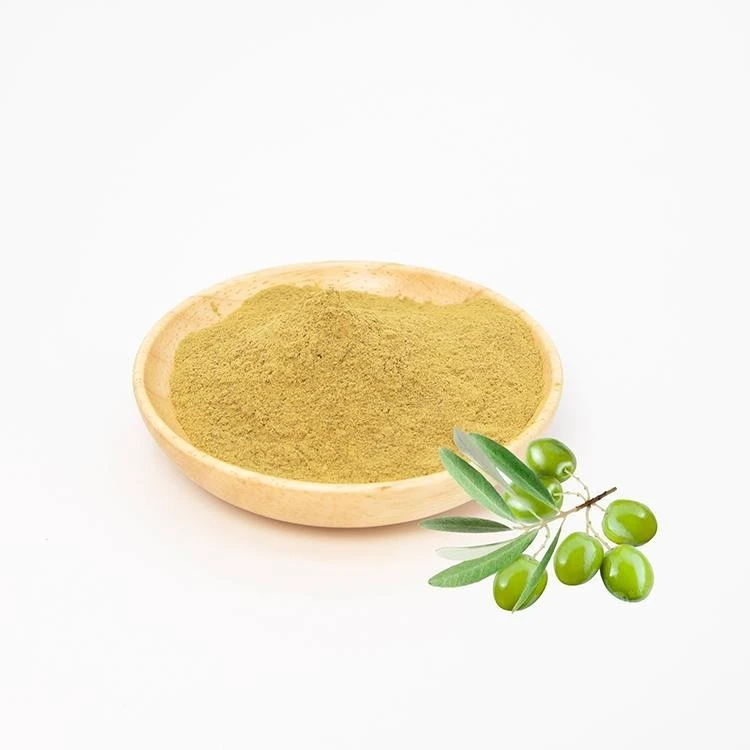
Poria Cocos Extract can be combined with other herbs and foods for enhanced health benefits. For example, it pairs well with Herbal Olive Leaf Extract. Both have anti - inflammatory properties, and when used together, they can provide a more comprehensive immune - boosting effect.
Wild yam root powder, available at Wild Yam Root Powder, can also be combined with Poria Cocos Extract. Wild yam root is known for its hormonal - balancing properties, and when combined with the immunomodulatory effects of Poria Cocos Extract, it can be beneficial for overall health.
Another great combination is with Ashwagandha Extract. Ashwagandha is an adaptogen that helps the body deal with stress, and Poria Cocos Extract can support the immune system. Together, they can help the body maintain a state of balance and well - being.
Safety Considerations
While Poria Cocos Extract is generally considered safe, it's important to note that some people may have allergies or sensitivities to it. Also, if you are taking any medications, it's advisable to consult a healthcare professional before adding Poria Cocos Extract to your diet, as there may be potential interactions with the drugs.
Conclusion
As a Poria Cocos Extract supplier, I am excited about the potential of this extract in promoting health through its interaction with food. By understanding how it interacts with different types of food and how to incorporate it into our diet, we can make the most of its health benefits. Whether you are looking to boost your immune system, regulate blood sugar levels, or improve lipid metabolism, Poria Cocos Extract can be a valuable addition to your diet.
If you are interested in purchasing high - quality Poria Cocos Extract for your food products or personal use, I invite you to contact me for more information and to discuss potential business opportunities. Let's work together to bring the benefits of Poria Cocos Extract to a wider audience.
References
- Chen, J., & Chen, T. (2004). Pharmacology of Chinese Herbs. Elsevier.
- He, X., & Liu, B. (2018). Research progress on the chemical constituents and pharmacological activities of Poria cocos. Chinese Journal of Experimental Traditional Medical Formulae.
- Huang, K. (1993). The Pharmacology of Chinese Herbs. CRC Press.