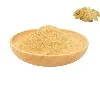
Poria cocos, also known as Fu Ling in traditional Chinese medicine, has been used for centuries in various cultures for its medicinal properties. As a supplier of Poria cocos extract, I often encounter questions about whether it is a natural product. In this blog post, I will delve into the nature of Poria cocos extract, exploring its origin, extraction process, and the reasons why it can be considered a natural product.
Origin of Poria Cocos
Poria cocos is a fungus that grows on the roots of pine trees, primarily in regions of Asia, including China, Japan, and Korea. It has a long - standing history in traditional medicine systems, where it is valued for its potential health benefits. The fungus has a unique appearance, with a large, irregularly shaped sclerotium that can be harvested and processed.
The natural growth of Poria cocos in the wild is a complex ecological process. It forms symbiotic relationships with the roots of pine trees, obtaining nutrients from the tree while also influencing the soil environment around it. This natural growth process is a key factor in establishing Poria cocos as a natural product.
Extraction Process
The extraction of Poria cocos extract is a crucial step in bringing this natural ingredient to the market. The process typically starts with the careful selection of high - quality Poria cocos sclerotia. These sclerotia are then cleaned to remove any dirt, debris, or non - essential parts.


After cleaning, the Poria cocos is usually ground into a fine powder. This powder can be further processed using various extraction methods, such as water extraction or alcohol extraction. Water extraction is a common method as it is relatively gentle and can extract many of the water - soluble components of Poria cocos, including polysaccharides and triterpenoids. Alcohol extraction, on the other hand, can extract a wider range of components, including some that are more soluble in alcohol.
Throughout the extraction process, no synthetic chemicals are added to create new compounds. The extraction methods are designed to isolate and concentrate the natural components that are already present in Poria cocos. This means that the final extract retains the natural chemical composition of the original fungus, further supporting its status as a natural product.
Chemical Composition and Health Benefits
Poria cocos extract contains a variety of bioactive compounds, such as polysaccharides, triterpenoids, and sterols. These compounds are believed to contribute to the numerous health benefits associated with Poria cocos.
Polysaccharides in Poria cocos extract have been shown to have immunomodulatory effects. They can enhance the activity of immune cells, such as macrophages and lymphocytes, helping the body to defend against infections and diseases. Triterpenoids, on the other hand, have anti - inflammatory and antioxidant properties. They can help reduce inflammation in the body and protect cells from oxidative damage caused by free radicals.
These natural compounds are not artificially created but are inherent in the Poria cocos fungus. The fact that these beneficial compounds are present in their natural form further validates Poria cocos extract as a natural product.
Comparison with Other Natural Herbal Extracts
When considering the naturalness of Poria cocos extract, it is useful to compare it with other well - known herbal extracts. For example, Polygonatum Odoratum Powder is another natural herbal product. Like Poria cocos extract, it is derived from a plant (Polygonatum odoratum) and is processed using natural extraction methods to preserve its bioactive components.
Organic Mulberry Leaf Extract is also a natural product. It is obtained from mulberry leaves and is rich in nutrients and bioactive compounds such as flavonoids and polyphenols. Similar to Poria cocos extract, the extraction of mulberry leaf extract aims to retain the natural properties of the plant.
Ashwagandha Extract is yet another example. It is derived from the Withania somnifera plant and has been used in traditional Ayurvedic medicine for its adaptogenic properties. The extraction process of ashwagandha extract focuses on isolating the natural compounds present in the plant, just like in the case of Poria cocos extract.
Quality Control and Sustainability
As a supplier of Poria cocos extract, we are committed to ensuring the quality and sustainability of our products. We source our Poria cocos from reliable suppliers who follow sustainable harvesting practices. This means that the fungus is harvested in a way that does not damage the natural ecosystem and allows for its continued growth and regeneration.
In addition, we implement strict quality control measures throughout the extraction process. We test our extracts for purity, potency, and the presence of any contaminants. This ensures that our customers receive a high - quality, natural product that is safe and effective.
Conclusion and Call to Action
In conclusion, Poria cocos extract is indeed a natural product. It is derived from a naturally occurring fungus, and its extraction process is designed to preserve the natural components of the fungus. The bioactive compounds present in Poria cocos extract offer a range of potential health benefits, making it a valuable addition to the natural health product market.
If you are interested in learning more about Poria cocos extract or are considering purchasing it for your business or personal use, we invite you to contact us for further information and to discuss potential procurement opportunities. Our team of experts is ready to assist you in finding the right product to meet your needs.
References
- Bensky, D., & Gamble, A. (1993). Chinese Herbal Medicine: Materia Medica. Eastland Press.
- Huang, K. C. (1999). The Pharmacology of Chinese Herbs. CRC Press.
- Liu, J. (2004). Medicinal Mushrooms: Chemistry and Therapeutic Use. Taylor & Francis.