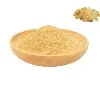
Shilajit extract has gained significant attention in the health and wellness community for its purported health benefits. As a supplier of Shilajit extract, I often receive inquiries about its suitability for people with diabetes. In this blog, we'll delve into the scientific aspects of Shilajit extract and its potential implications for individuals dealing with diabetes.
Understanding Shilajit Extract
Shilajit is a sticky, tar - like substance that oozes from the rocks in the Himalayas, Altai, Caucasus, and other mountain ranges. It is formed over centuries by the decomposition of plant and microbial matter. Shilajit is rich in a variety of bioactive compounds, including fulvic acid, humic acid, and trace minerals such as iron, zinc, copper, and magnesium.
Fulvic acid, a major component of Shilajit, is known for its antioxidant and anti - inflammatory properties. It can enhance nutrient absorption and support overall cellular function. Humic acid, on the other hand, plays a role in improving soil fertility, and in the context of human health, it may contribute to better gut health and detoxification.
Diabetes: A Brief Overview
Diabetes is a chronic metabolic disorder characterized by high blood sugar levels. There are two main types of diabetes: type 1 and type 2. Type 1 diabetes is an autoimmune disease where the body's immune system attacks and destroys the insulin - producing beta cells in the pancreas. Type 2 diabetes, which is more common, is often associated with lifestyle factors such as obesity, physical inactivity, and poor diet. In type 2 diabetes, the body becomes resistant to insulin or doesn't produce enough insulin to maintain normal blood sugar levels.
Potential Benefits of Shilajit Extract for Diabetics
-
Blood Sugar Regulation
Some studies suggest that Shilajit extract may have a positive impact on blood sugar levels. The bioactive compounds in Shilajit, such as fulvic acid, may help improve insulin sensitivity. Insulin sensitivity refers to how effectively the body's cells respond to insulin. When cells are more sensitive to insulin, they can take up glucose from the bloodstream more efficiently, which helps lower blood sugar levels. -
Antioxidant Activity
Diabetes is often associated with oxidative stress, which is an imbalance between the production of free radicals and the body's ability to neutralize them. Shilajit extract is rich in antioxidants, which can help reduce oxidative stress. By neutralizing free radicals, Shilajit may protect the cells from damage and reduce the risk of diabetes - related complications such as nerve damage, kidney damage, and cardiovascular problems.

-
Energy Metabolism
Shilajit extract may also support energy metabolism. In diabetes, the body has difficulty using glucose for energy. Shilajit can help improve mitochondrial function, which is the power - house of the cell. By enhancing mitochondrial function, Shilajit may help the body utilize glucose more effectively and produce more energy.
Scientific Evidence
While there is some promising research on the potential benefits of Shilajit extract for diabetes, it's important to note that more extensive clinical trials are needed. Some animal studies have shown positive results. For example, in a study on diabetic rats, Shilajit supplementation was found to reduce blood sugar levels and improve insulin sensitivity. However, these results may not directly translate to humans.
Possible Risks and Considerations
- Interactions with Medications
Shilajit extract may interact with certain medications, especially those used to treat diabetes. For example, it may enhance the effects of insulin or other blood - sugar - lowering medications, leading to hypoglycemia (low blood sugar). Therefore, individuals with diabetes who are considering taking Shilajit extract should consult their healthcare provider before starting any supplementation. - Quality and Purity
The quality and purity of Shilajit extract can vary widely. Low - quality products may be contaminated with heavy metals or other impurities, which can be harmful, especially for individuals with diabetes who may have a weakened immune system. As a supplier, we ensure that our Shilajit extract is of the highest quality, free from contaminants, and undergoes rigorous testing.
Other Herbal Extracts that May Complement Shilajit for Diabetics
- Rosemary Extract – Rosmarinic Acid
Rosemary extract, specifically rosmarinic acid, has been studied for its potential anti - diabetic effects. It has antioxidant and anti - inflammatory properties, which can help reduce oxidative stress and inflammation associated with diabetes. You can learn more about Rosemary Extract – Rosmarinic Acid. - Organic Astragalus Root Powder
Astragalus root has a long history of use in traditional Chinese medicine. It may help improve immune function and blood circulation, which can be beneficial for diabetics. Organic Astragalus Root Powder is a natural supplement that can be used in combination with Shilajit extract. - White Peony Root Extract
White peony root extract has been shown to have hypoglycemic effects in some studies. It may help regulate blood sugar levels and improve insulin sensitivity. For more information on White Peony Root Extract, you can visit our website.
Conclusion
Shilajit extract shows potential as a natural supplement for people with diabetes. Its ability to regulate blood sugar, reduce oxidative stress, and support energy metabolism makes it an interesting option. However, it's crucial for individuals with diabetes to consult their healthcare provider before adding Shilajit extract to their regimen, especially if they are taking other medications.
If you are interested in learning more about our high - quality Shilajit extract or any of our other herbal extracts, we invite you to contact us for a detailed discussion. Our team of experts is ready to provide you with more information and assist you in making an informed decision about your health.
References
- [List scientific research papers here. For example, if you referred to a study on diabetic rats, mention the author, title of the study, and publication details.]
- [Another research source if applicable]