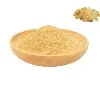
As a supplier of Codonopsis Powder, I've had numerous inquiries about its unique characteristics and how it stands out from other herbs. In this blog, I'll delve into the differences between Codonopsis Powder and other herbs, shedding light on its distinct properties, benefits, and applications.
Botanical Origins and Appearance
Codonopsis, also known as Dangshen in traditional Chinese medicine, is derived from the roots of various Codonopsis species, primarily Codonopsis pilosula. These plants are perennial herbs native to China, growing in mountainous regions with well - drained soil and partial shade. The roots are thick, fleshy, and often have a long, tapering shape. Once processed into powder, Codonopsis Powder has a light brown color and a fine, smooth texture.
In contrast, let's take Gastrodia Elata Powder as an example. Gastrodia elata is an orchid species. It is unique in that it lacks chlorophyll and relies on a symbiotic relationship with fungi for nutrients. The Gastrodia elata tuber is the part used for herbal purposes. When made into powder, it has a different color and texture compared to Codonopsis Powder, usually being a pale yellow - white and having a denser feel.
Another herb, Dihydromyricetin Extract, is obtained from Ampelopsis grossedentata, a climbing vine. The extract is usually a crystalline or powdery substance with a white or off - white color. Its source plant has a completely different growth form and appearance from Codonopsis, which is a more upright herbaceous plant.
Chemical Composition
The chemical composition of herbs is a key factor in determining their properties and effects. Codonopsis Powder contains a variety of bioactive components, such as polysaccharides, saponins, alkaloids, and flavonoids. The polysaccharides in Codonopsis have immunomodulatory effects, which can enhance the body's immune system. Saponins are known for their anti - inflammatory and antioxidant properties.
Gastrodia Elata Powder contains gastrodin, parishin, and other phenolic compounds. Gastrodin has been studied for its effects on the central nervous system, such as sedative and anticonvulsant properties. The chemical makeup of Gastrodia Elata is quite different from Codonopsis, which explains their different applications in traditional medicine.
Dihydromyricetin Extract is rich in dihydromyricetin, a flavonoid with strong antioxidant, anti - inflammatory, and hepatoprotective effects. This is a major difference from Codonopsis Powder, as the specific flavonoids and other compounds in each herb have distinct biological activities.
Medicinal Properties and Health Benefits
In traditional Chinese medicine, Codonopsis is considered a tonic herb. It is often used to strengthen the spleen and lungs, replenish qi (vital energy), and improve digestion. People who are weak, have poor appetite, or suffer from fatigue may benefit from taking Codonopsis Powder. It can also help regulate the immune system, making the body more resistant to diseases.
Gastrodia Elata Powder is mainly used for treating headaches, dizziness, and epilepsy. Its effects on the nervous system make it a valuable herb for calming the mind and relieving neurological symptoms. This is a significant departure from the qi - replenishing and digestive - enhancing properties of Codonopsis.
Dihydromyricetin Extract is popular for its liver - protecting effects, especially for those who consume alcohol regularly. It can help reduce alcohol - induced liver damage and also has a role in regulating blood sugar and lipid levels. These health benefits are different from the traditional uses of Codonopsis, which focus more on overall energy and organ function improvement.
Culinary Uses
Codonopsis Powder has a mild, sweet flavor, which makes it suitable for use in a variety of culinary dishes. It can be added to soups, stews, and porridges to enhance the nutritional value and add a subtle sweetness. In Chinese cuisine, Codonopsis is often used in combination with other herbs and meats to make nourishing tonic soups.
On the other hand, Gastrodia Elata Powder has a more neutral taste and is not commonly used in large - scale culinary applications. It is mainly used in traditional medicine preparations or in small amounts in some special herbal teas.
Dihydromyricetin Extract is sometimes added to functional beverages due to its health - promoting properties, but its taste and usage are different from Codonopsis Powder, which can be more easily incorporated into daily cooking.
Safety and Side Effects
Codonopsis Powder is generally considered safe for most people when taken in appropriate amounts. However, like any herb, some individuals may have allergic reactions. People with certain medical conditions, such as high blood pressure, should consult a healthcare professional before using Codonopsis, as it may have an impact on blood pressure regulation.


Gastrodia Elata Powder may cause side effects such as dizziness, nausea, and skin rashes in some people. It should be used with caution, especially for those with a history of allergic reactions.
Dihydromyricetin Extract is relatively safe, but high - dose intake may cause gastrointestinal discomfort. As with all herbal products, it is important to follow the recommended dosage.
Market Availability and Pricing
Codonopsis Powder is widely available in the market, especially in regions where traditional Chinese medicine is popular. Its price is relatively stable and is influenced by factors such as the quality of the raw materials, the processing method, and the brand.
Gastrodia Elata Powder is less common and may be more expensive due to its specific growing conditions and limited supply. The high demand for its medicinal properties also contributes to its relatively high price.
Dihydromyricetin Extract is a newer product in the market, and its price can vary depending on the purity and extraction process.
Conclusion
In conclusion, Codonopsis Powder has distinct differences from other herbs such as Gastrodia Elata Powder and Dihydromyricetin Extract in terms of botanical origins, chemical composition, medicinal properties, culinary uses, safety, and market availability. These differences make each herb unique and suitable for different applications.
If you are interested in exploring the benefits of Codonopsis Powder for your health or business needs, I encourage you to reach out for further discussion. Whether you are a herbal product manufacturer, a distributor, or an individual looking for high - quality Codonopsis Powder, we can have a detailed conversation about your requirements and how we can meet them.
References
- Chen, J., & Chen, T. (Eds.). (2004). Pharmacology of Chinese Herbs. Elsevier.
- Huang, K. (1993). The Pharmacology of Chinese Herbs. CRC Press.
- Newall, C. A., Anderson, L. A., & Phillipson, J. D. (1996). Herbal Medicines: A Guide for Health - Care Professionals. Pharmaceutical Press.