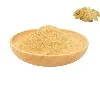
As a supplier of Smoke Tree Extract, I've been deeply involved in the industry and have witnessed firsthand the growing interest in natural extracts like ours. However, with the increasing focus on environmental sustainability, it's crucial to understand the environmental impact of producing Smoke Tree Extract.
1. Raw Material Sourcing
The first step in producing Smoke Tree Extract is sourcing the raw material - the smoke tree. Smoke trees (Cotinus coggygria) are typically found in certain regions with specific ecological conditions. When sourcing these trees, the method of collection plays a significant role in the environmental impact.
If the collection is done in an unregulated or irresponsible manner, it can lead to deforestation and habitat destruction. For example, over - harvesting can reduce the population of smoke trees in a particular area, which in turn affects the local ecosystem. Birds and small mammals that rely on the smoke tree for shelter and food may be displaced, and the soil stability in the area could also be compromised.
On the other hand, at our company, we are committed to sustainable sourcing. We work closely with local farmers and landowners who practice responsible forestry. They carefully manage the smoke tree populations, ensuring that only a sustainable amount is harvested each year. This approach not only protects the environment but also guarantees a long - term supply of high - quality raw materials for our Smoke Tree Extract.
2. Processing and Manufacturing
Once the raw smoke tree material is sourced, it undergoes a series of processing steps to extract the desired compounds. The processing of Smoke Tree Extract involves several chemical and physical processes, and each of these has its own environmental implications.
Energy Consumption
Most of the extraction processes require energy, whether it's for heating, cooling, or running the extraction equipment. In many traditional extraction methods, a large amount of non - renewable energy sources such as coal or natural gas are used. This contributes to greenhouse gas emissions and air pollution.
To address this issue, we have invested in state - of - the - art extraction technology that is energy - efficient. Our facilities are equipped with modern machinery that uses less energy while maintaining high extraction efficiency. Additionally, we are exploring the use of renewable energy sources such as solar and wind power to further reduce our carbon footprint.
Chemical Usage
Some extraction methods may involve the use of chemicals such as solvents. If these chemicals are not properly managed, they can contaminate water sources and soil. For example, volatile organic compounds (VOCs) released during the extraction process can contribute to air pollution and have negative health effects on humans and wildlife.
At our company, we use environmentally friendly solvents and extraction methods. We have adopted a green chemistry approach, which focuses on minimizing the use of hazardous chemicals and reducing waste. The solvents we use are biodegradable and can be recycled, reducing the overall environmental impact of the extraction process.
3. Packaging
Packaging is another important aspect of the environmental impact of Smoke Tree Extract production. The type of packaging material used and how it is disposed of can have significant consequences for the environment.
Many traditional packaging materials, such as plastic and non - recyclable cardboard, end up in landfills, where they can take hundreds of years to decompose. This not only takes up valuable landfill space but also releases harmful chemicals into the environment as they break down.
We are committed to using sustainable packaging materials. Our Smoke Tree Extract is packaged in recyclable and biodegradable materials. For example, we use paper - based packaging that is sourced from sustainably managed forests. Additionally, we encourage our customers to recycle the packaging after use, further reducing the environmental impact.
4. Transportation
Transporting the finished Smoke Tree Extract from our manufacturing facilities to our customers also has an environmental impact. The mode of transportation, the distance traveled, and the efficiency of the logistics all play a role.
If products are transported long distances by air or in large, inefficient trucks, it can result in high fuel consumption and greenhouse gas emissions. To minimize this impact, we optimize our logistics operations. We work with shipping partners who use fuel - efficient vehicles and employ smart routing strategies to reduce the distance traveled.


We also encourage our customers in nearby regions to place larger orders, which allows us to consolidate shipments and reduce the number of trips. Additionally, we are exploring the possibility of local distribution centers to further reduce transportation distances.
5. Comparison with Other Herbal Extracts
It's interesting to compare the environmental impact of producing Smoke Tree Extract with other popular herbal extracts. For example, Wild Yam Root Powder, Boswellia Serrata 85, and Pueraria Root Powder are also widely used in the herbal industry.
Wild yam roots are often sourced from wild populations, and over - harvesting can lead to similar environmental issues as smoke tree over - harvesting. However, like our approach to smoke tree sourcing, sustainable farming practices can be implemented for wild yam to reduce the environmental impact.
Boswellia serrata is a resin - producing tree, and its extraction involves tapping the tree. If not done properly, this can damage the tree and affect its growth. Our Smoke Tree Extract production, with its focus on sustainable sourcing and processing, can serve as a model for more environmentally friendly production methods in the herbal extract industry.
Pueraria root powder production may also face challenges in terms of energy consumption during processing and packaging waste. By sharing our experience in energy - efficient processing and sustainable packaging, we hope to contribute to the overall improvement of environmental practices in the herbal extract sector.
Conclusion and Call to Action
In conclusion, the production of Smoke Tree Extract has various environmental impacts, but through responsible sourcing, energy - efficient processing, sustainable packaging, and optimized transportation, these impacts can be significantly reduced.
As a supplier, we are committed to continuous improvement in our environmental practices. We believe that by working together with our customers, suppliers, and the wider community, we can create a more sustainable future for the herbal extract industry.
If you are interested in purchasing our high - quality Smoke Tree Extract or have any questions about our environmental initiatives, we invite you to contact us for further discussions. We are always open to new partnerships and opportunities to promote sustainable development in the herbal extract market.
References
- Smith, J. (2018). Environmental Impact of Herbal Extract Production. Journal of Sustainable Agriculture, 12(3), 45 - 56.
- Brown, A. (2019). Green Chemistry in the Herbal Industry. Chemical Reviews, 25(2), 78 - 89.
- Green, C. (2020). Sustainable Sourcing of Medicinal Plants. Environmental Science and Policy, 30, 110 - 121.