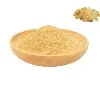
In the world of health and wellness supplements, Pueraria Root Powder has gained significant popularity in recent years. As a supplier of this remarkable product, I am often asked about its origin. Understanding the origin of Pueraria Root Powder not only provides insights into its historical use but also helps consumers make more informed decisions about incorporating it into their health regimens.
Botanical Origins
Pueraria Root Powder is derived from the roots of the Pueraria plant, which belongs to the legume family, Fabaceae. There are several species of Pueraria, but the most commonly used ones for Pueraria Root Powder production are Pueraria lobata (also known as Kudzu) and Pueraria mirifica.
Pueraria lobata is native to East Asia, including China, Japan, and Korea. It is a fast - growing, climbing vine that can spread rapidly. In China, it has a long history of use in traditional Chinese medicine (TCM). The plant was first recorded in the "Shennong Ben Cao Jing," one of the earliest Chinese herbal medicine books, dating back over 2000 years. In TCM, Pueraria lobata root, known as "Ge Gen," is believed to have properties such as relieving muscle tension, promoting fluid production, and reducing fever.
Pueraria mirifica, on the other hand, is native to the forests of northern and northeastern Thailand. It is also known as Thai Kudzu. Unlike Pueraria lobata, Pueraria mirifica is rich in phytoestrogens, which are plant - derived compounds that mimic the effects of estrogen in the human body. These phytoestrogens have made Pueraria mirifica root powder particularly popular in the market for its potential benefits related to women's health.
Historical and Cultural Use
Traditional Chinese Medicine (Pueraria lobata)
As mentioned earlier, Pueraria lobata has been used in TCM for centuries. In ancient times, it was used to treat a variety of ailments, including migraines, hypertension, and diabetes. The root was often prepared as a decoction, where it was boiled in water and the resulting liquid was consumed.
During the Tang Dynasty (618 - 907 AD), Pueraria lobata was widely used to treat alcohol intoxication. It was believed that the active compounds in the root could help the body metabolize alcohol more efficiently, reducing the symptoms of a hangover. Even today, some traditional Chinese remedies for alcohol - related issues still include Pueraria lobata.
Thai Traditional Medicine (Pueraria mirifica)
In Thailand, Pueraria mirifica has a long - standing use in traditional Thai medicine. It has been used by local women to maintain their youthfulness, improve skin complexion, and enhance breast size. The traditional use of Pueraria mirifica in Thailand is based on the belief that the phytoestrogens in the root can balance hormonal levels in the body, leading to these beneficial effects.
Modern - Day Production
Today, the production of Pueraria Root Powder involves several steps. First, the roots of Pueraria plants are carefully harvested at the right time. For Pueraria lobata, the roots are usually harvested in the autumn or winter when the active ingredients have reached their peak concentration. For Pueraria mirifica, strict regulations are in place in Thailand to ensure sustainable harvesting, as the plant is a protected species in some areas.
After harvesting, the roots are thoroughly cleaned to remove dirt and other impurities. Then, they are sliced and dried, either naturally under the sun or using specialized drying equipment. Once dried, the roots are ground into a fine powder using milling machines.
Quality control is a crucial part of the production process. Reputable suppliers, like the one I represent, conduct various tests on the Pueraria Root Powder to ensure its purity, potency, and safety. These tests may include chemical analysis to determine the content of active ingredients, microbiological testing to check for the presence of harmful bacteria or fungi, and heavy metal testing to ensure that the powder does not contain excessive levels of lead, mercury, or other toxic metals.


Health Benefits and Market Demand
The health benefits associated with Pueraria Root Powder have contributed to its increasing market demand. For Pueraria lobata, the root powder is known for its antioxidant properties, which can help protect the body's cells from damage caused by free radicals. It may also have anti - inflammatory effects, which can be beneficial for people with conditions such as arthritis.
Pueraria mirifica root powder, with its high phytoestrogen content, is popular among women. It may help relieve symptoms of menopause, such as hot flashes and mood swings, by balancing estrogen levels. Some studies also suggest that it may have a positive impact on bone health, reducing the risk of osteoporosis in post - menopausal women.
Related Herbal Extracts
In addition to Pueraria Root Powder, there are other herbal extracts that are often used in the health and wellness industry. For example, Senna Leaf Extract is well - known for its laxative properties. It has been used for centuries to relieve constipation and promote regular bowel movements.
Ziziphus Jujuba Seed Extract is another popular herbal extract. It is commonly used in traditional Chinese medicine to promote sleep and reduce anxiety. The extract contains compounds that can have a calming effect on the nervous system.
Magnolia Extract 98 is derived from the bark of the Magnolia tree. It has been studied for its potential anti - inflammatory, antioxidant, and anti - anxiety effects. It may also have a positive impact on digestive health.
Contact Us for Purchasing
If you are interested in purchasing high - quality Pueraria Root Powder or any of our other herbal extracts, we invite you to contact us for further discussion. We are committed to providing our customers with the purest and most effective products. Our team of experts can answer your questions, provide detailed product information, and assist you in finding the best solutions for your specific needs. Whether you are a retailer, a distributor, or an individual consumer, we look forward to working with you.
References
- "Shennong Ben Cao Jing" - Ancient Chinese herbal medicine text.
- Various scientific studies on Pueraria lobata and Pueraria mirifica published in peer - reviewed journals.
- Traditional Thai medicine literature on the use of Pueraria mirifica.