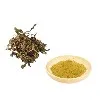
Hey there! I'm an herbal extract supplier, and I've been thinking a lot about the potential of herbal extracts in the textile industry. It's a topic that's not only fascinating but also has a lot of practical applications. So, let's dive right in and explore whether herbal extracts can really be used in the textile industry.
What Are Herbal Extracts?
First off, let's talk about what herbal extracts are. Herbal extracts are concentrated forms of plants. They're made by extracting the active compounds from herbs, like leaves, roots, or flowers. These extracts can contain all sorts of beneficial substances, such as antioxidants, anti - microbial agents, and natural dyes.
For example, L - Borneol is an herbal extract that has anti - inflammatory and analgesic properties. It's derived from certain plants and has been used in traditional medicine for ages. Another one is St. John’s Wort Extract 0.3 Hypericin, which is known for its potential mood - enhancing effects. And Soy Isoflavones, extracted from soybeans, have antioxidant and estrogen - like properties.
The Benefits of Using Herbal Extracts in Textiles
Natural Dyes
One of the most obvious uses of herbal extracts in the textile industry is as natural dyes. Synthetic dyes often contain harmful chemicals that can be bad for the environment and human health. Herbal extracts, on the other hand, are a much greener alternative. They can produce a wide range of colors, from soft pastels to vibrant hues. For instance, some plants like indigo can give a beautiful blue color, while turmeric can produce a bright yellow. Using herbal extracts as dyes not only makes the textiles more eco - friendly but also gives them a unique, natural look.
Antimicrobial Properties
Many herbal extracts have antimicrobial properties. This means that when they're incorporated into textiles, they can help prevent the growth of bacteria and fungi. This is especially useful in things like sportswear, socks, and underwear. For example, if you're an athlete, having antimicrobial sportswear can help reduce odor and keep you feeling fresh during workouts. It can also be beneficial in healthcare settings, where preventing the spread of bacteria is crucial.
UV Protection
Some herbal extracts can offer UV protection to textiles. They can act as natural sunscreens, absorbing and scattering UV rays. This is great for outdoor clothing, like hats and beachwear. By using herbal extracts, we can create textiles that not only look good but also protect the wearer from the harmful effects of the sun.
Aromatherapy
Herbal extracts with pleasant scents can be used to add an aromatherapy element to textiles. For example, lavender extract can be added to bedding to promote relaxation and better sleep. This gives the textiles an extra functionality and can enhance the overall user experience.
Challenges in Using Herbal Extracts in Textiles
Color Fastness
One of the main challenges is color fastness. Herbal dyes may not be as color - fast as synthetic dyes. This means that the colors may fade more quickly when the textiles are washed or exposed to sunlight. However, researchers are working on ways to improve the color fastness of herbal dyes, such as using mordants (substances that help the dye adhere to the fabric).
Standardization
Another challenge is standardization. Since herbal extracts are natural products, their composition can vary depending on factors like the plant's growing conditions, harvesting time, and extraction method. This makes it difficult to ensure consistent quality and performance in the textile products. To address this, strict quality control measures need to be put in place.
Cost
Herbal extracts can be more expensive than synthetic alternatives. The process of extracting and purifying herbal extracts can be time - consuming and costly. This can make the final textile products more expensive, which may limit their market appeal. However, as the demand for natural and sustainable products increases, the cost may become more competitive over time.


Real - World Applications
There are already some companies that are using herbal extracts in their textile products. For example, some brands are making eco - friendly clothing using natural dyes from herbal extracts. These clothes are not only stylish but also have the added benefits of being sustainable and having natural properties.
In the healthcare industry, some hospitals are starting to use textiles treated with herbal extracts to reduce the risk of infections. These textiles can be used for things like bed sheets, gowns, and curtains.
Future Outlook
The future of using herbal extracts in the textile industry looks promising. As consumers become more aware of the environmental and health impacts of synthetic products, the demand for natural alternatives is likely to increase. With further research and development, we can expect to see more innovative uses of herbal extracts in textiles.
For example, we may see more advanced ways of incorporating herbal extracts into textiles to improve their performance. This could include new methods of dyeing that improve color fastness or ways to enhance the antimicrobial and UV - protecting properties.
Let's Connect!
If you're interested in exploring the use of herbal extracts in your textile products, I'd love to have a chat. As an herbal extract supplier, I can offer a wide range of high - quality extracts that can meet your specific needs. Whether you're looking for natural dyes, antimicrobial agents, or something else, I'm here to help.
Don't hesitate to reach out and start a conversation. We can discuss your requirements, and I can provide you with samples and more information about our products. Let's work together to create sustainable and innovative textile products!
References
- Smith, A. (2020). Natural Dyes in the Textile Industry. Journal of Sustainable Textiles, 15(2), 45 - 56.
- Johnson, B. (2019). Antimicrobial Properties of Herbal Extracts in Textiles. International Journal of Textile Science, 8(3), 78 - 89.
- Brown, C. (2021). UV Protection in Textiles Using Herbal Extracts. Textile Research Journal, 22(4), 123 - 135.