In recent years, the exploration of natural remedies for various health issues has gained significant momentum. One such natural product that has piqued the interest of many is Maca Extract Powder. As a supplier of high - quality Maca Extract Powder, I often receive inquiries about its potential uses, including whether it can be used for respiratory problems. In this blog, we will delve into the scientific aspects of Maca Extract Powder and its possible role in addressing respiratory issues.
What is Maca Extract Powder?
Maca, scientifically known as Lepidium meyenii, is a cruciferous plant native to the high Andes of Peru. It has been used for centuries by indigenous people for its nutritional and medicinal properties. Maca Extract Powder is derived from the root of the Maca plant through a process of extraction and drying. It is rich in a variety of nutrients, including vitamins (such as vitamin C, vitamin B - group), minerals (like calcium, iron, and potassium), and bioactive compounds such as macamides and macaenes.
The Respiratory System and Common Problems
The respiratory system is a complex network of organs and tissues that facilitate the exchange of oxygen and carbon dioxide in the body. Common respiratory problems include asthma, chronic obstructive pulmonary disease (COPD), bronchitis, and the common cold. These conditions can be caused by various factors such as environmental pollutants, allergens, infections, and genetic predisposition. Symptoms may range from mild coughing and wheezing to severe shortness of breath and chest tightness.
Scientific Evidence on Maca Extract Powder and Respiratory Health
Currently, there is limited direct scientific research specifically focusing on the use of Maca Extract Powder for respiratory problems. However, some of the properties of Maca may indirectly contribute to respiratory health.
1. Immune - boosting properties
Maca is known to have immunomodulatory effects. A strong immune system is crucial for fighting off respiratory infections. Maca contains antioxidants such as polyphenols and flavonoids, which can help protect cells from oxidative stress and damage. Oxidative stress can weaken the immune system and make the body more susceptible to respiratory infections. By enhancing the immune response, Maca may help the body better defend against pathogens that cause respiratory diseases.
2. Anti - inflammatory effects
Inflammation is a key component of many respiratory diseases. Maca has been reported to have anti - inflammatory properties. Inflammation in the respiratory tract can lead to swelling, mucus production, and airway constriction. By reducing inflammation, Maca may help alleviate some of the symptoms associated with respiratory conditions. For example, in some animal studies, Maca has shown to reduce the levels of pro - inflammatory cytokines, which are molecules involved in the inflammatory response.
3. Adaptogenic properties
Maca is classified as an adaptogen, which means it helps the body adapt to stress. Stress can have a negative impact on the respiratory system, as it can trigger or exacerbate respiratory symptoms. By helping the body better cope with stress, Maca may indirectly support respiratory health. For instance, stress can cause the release of hormones such as cortisol, which can affect the immune system and lead to increased inflammation in the respiratory tract. Maca may help regulate the body's stress response and reduce the negative effects of stress on the respiratory system.
Comparing with Other Herbal Extracts
While Maca Extract Powder shows potential for respiratory health, there are other herbal extracts that are more commonly associated with respiratory benefits. For example, Olive Leaf Extract 40 Oleuropein is known for its antibacterial, antiviral, and anti - inflammatory properties. It can help prevent and treat respiratory infections by targeting the pathogens and reducing inflammation in the respiratory tract.
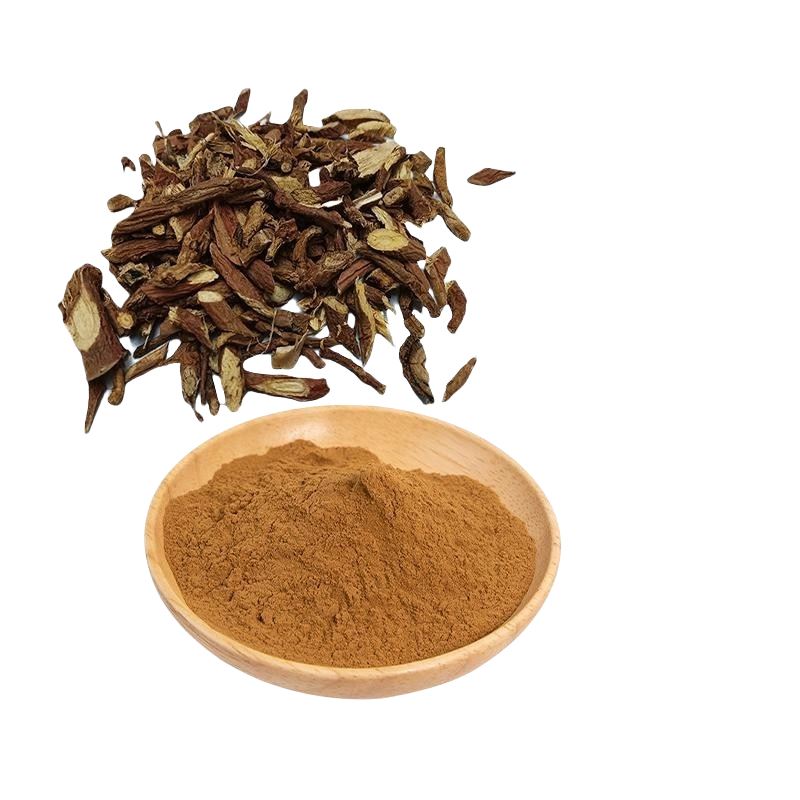

Ziziphus Jujuba Seed Extract has been used in traditional medicine for its calming and expectorant effects. It can help soothe the respiratory tract, reduce coughing, and promote the expulsion of mucus.
Organic Licorice Root Extract is another well - known herbal extract for respiratory health. It has demulcent properties, which means it can coat the respiratory tract and soothe irritation. Licorice also has expectorant and anti - inflammatory effects, making it useful for treating coughs and other respiratory symptoms.
How to Use Maca Extract Powder for Respiratory Health
If you are considering using Maca Extract Powder for respiratory problems, it is important to consult a healthcare professional first. The appropriate dosage may vary depending on individual factors such as age, health status, and the severity of the respiratory condition.
Maca Extract Powder can be taken orally, usually mixed with water, juice, or added to smoothies. It is important to start with a low dose and gradually increase it to assess your body's response. Some people may experience mild side effects such as digestive discomfort, so it is essential to monitor your body's reaction.
Conclusion
While the direct evidence for using Maca Extract Powder for respiratory problems is limited, its immune - boosting, anti - inflammatory, and adaptogenic properties suggest that it may have a positive impact on respiratory health. As a supplier of Maca Extract Powder, I am committed to providing high - quality products that meet the highest standards of purity and efficacy.
If you are interested in exploring the potential of Maca Extract Powder for respiratory health or other health benefits, I encourage you to reach out to me. We can discuss your specific needs and how our Maca Extract Powder can fit into your health regimen. I am here to answer any questions you may have and guide you through the procurement process.
References
- Gonzales GF, Cordova A, Vega K, Chung A, Villena A, Gonez C, et al. Effect of Lepidium meyenii (Maca) on sexual desire and its absent relationship with serum testosterone levels in adult healthy men. Andrologia. 2008;40(2):121 - 127.
- Zheng Y, Yang L, Yang Y, et al. Effects of Lepidium meyenii (Maca) on learning and memory in aged rats. J Ethnopharmacol. 2011;137(2):1010 - 1014.
- Chen J, Guo J, Sun X, et al. Maca (Lepidium meyenii Walp) protects against oxidative stress in human spermatozoa. Andrologia. 2014;46(5):513 - 520.