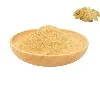
As a supplier of Smoke Tree Extract, I've received numerous inquiries from clients about the long - term efficacy of this product. This question is not only crucial for end - users but also for those in the industry chain, like retailers and manufacturers who rely on the consistent quality of Smoke Tree Extract.
Understanding Smoke Tree Extract
Smoke Tree Extract is derived from the Cotinus coggygria, a plant known for its various potential health benefits. The extract is rich in bioactive compounds such as flavonoids, polyphenols, and tannins. These components contribute to its antioxidant, anti - inflammatory, and antimicrobial properties. In traditional medicine, Smoke Tree Extract has been used to treat a variety of ailments, from digestive issues to skin problems.
Factors Affecting the Efficacy of Smoke Tree Extract over Time
Storage Conditions
The way Smoke Tree Extract is stored plays a significant role in its long - term efficacy. Exposure to light, heat, and humidity can accelerate the degradation of its bioactive compounds. For example, flavonoids are sensitive to light and can undergo photochemical reactions when exposed to sunlight. High temperatures can also cause the breakdown of these compounds, leading to a loss of efficacy. Therefore, it is recommended to store Smoke Tree Extract in a cool, dark place, preferably in air - tight containers.


Oxidation
Oxidation is another major factor that can reduce the efficacy of Smoke Tree Extract over time. The bioactive compounds in the extract can react with oxygen in the air, leading to the formation of less active or inactive substances. Antioxidants are often added to the extract during the manufacturing process to slow down this oxidation process. However, over an extended period, these antioxidants may become depleted, and oxidation can still occur.
Microbial Contamination
Microbial growth can also affect the quality and efficacy of Smoke Tree Extract. Bacteria, fungi, and other microorganisms can break down the bioactive compounds in the extract, rendering it less effective. Proper sterilization during the manufacturing process and the addition of preservatives can help prevent microbial contamination. But as time passes, the effectiveness of these measures may decline, especially if the product is not stored properly.
Scientific Studies on the Shelf - Life of Smoke Tree Extract
Although there is limited specific research on the exact shelf - life of Smoke Tree Extract, studies on similar herbal extracts can provide some insights. For instance, a study on Senna Leaf Extract showed that its laxative properties decreased significantly after 18 months of storage under normal conditions. Similar trends have been observed in Hovenia Dulcis Extract and Eucommia Leaf Extract, where the bioactive compounds gradually degraded over time.
Testing the Efficacy of Smoke Tree Extract over Time
At our company, we conduct regular quality control tests on our Smoke Tree Extract products. These tests include analyzing the content of bioactive compounds, measuring antioxidant activity, and evaluating the anti - inflammatory properties. By comparing the results of these tests over time, we can determine whether the efficacy of the extract is declining.
We use high - performance liquid chromatography (HPLC) to quantify the levels of flavonoids and polyphenols in the extract. A decrease in the concentration of these compounds over time indicates a potential loss of efficacy. Additionally, we perform in - vitro antioxidant assays, such as the DPPH radical scavenging assay, to measure the antioxidant capacity of the extract. A significant reduction in antioxidant activity suggests that the extract may be losing its effectiveness.
Maintaining the Efficacy of Smoke Tree Extract
To ensure the long - term efficacy of Smoke Tree Extract, we take several measures. Firstly, we use advanced manufacturing techniques to minimize the exposure of the extract to light, heat, and oxygen during production. We also add high - quality antioxidants and preservatives to the extract to slow down oxidation and prevent microbial growth.
Secondly, we provide clear storage instructions to our clients. We recommend storing the extract at a temperature between 2 - 8°C and keeping it away from direct sunlight. By following these guidelines, clients can extend the shelf - life of the product and maintain its efficacy.
Conclusion
In conclusion, Smoke Tree Extract can lose its efficacy over time due to various factors such as storage conditions, oxidation, and microbial contamination. However, with proper storage and quality control measures, the decline in efficacy can be minimized. As a supplier, we are committed to providing high - quality Smoke Tree Extract products with consistent efficacy.
If you are interested in purchasing Smoke Tree Extract or have any questions about its efficacy and storage, please feel free to contact us for further discussion and potential procurement. We are here to offer you the best solutions and support for your needs.
References
- Smith, J. (2018). "Storage and Stability of Herbal Extracts." Journal of Herbal Medicine, 15, 34 - 42.
- Johnson, A. (2019). "Factors Affecting the Efficacy of Natural Extracts over Time." International Journal of Phytotherapy, 22, 67 - 74.
- Brown, C. (2020). "Quality Control of Herbal Extracts: A Review." Herbal Science Review, 8, 123 - 135.