Diabetes is a chronic metabolic disorder characterized by high blood glucose levels, which can lead to various complications such as cardiovascular diseases, nerve damage, and kidney problems. In recent years, there has been growing interest in the potential use of natural plant extracts for the treatment of diabetes. As a supplier of Peony Root Extract, I am often asked whether this extract can be used in the treatment of diabetes. In this blog, I will explore the scientific evidence behind the potential anti - diabetic effects of Peony Root Extract.
Chemical Composition of Peony Root Extract
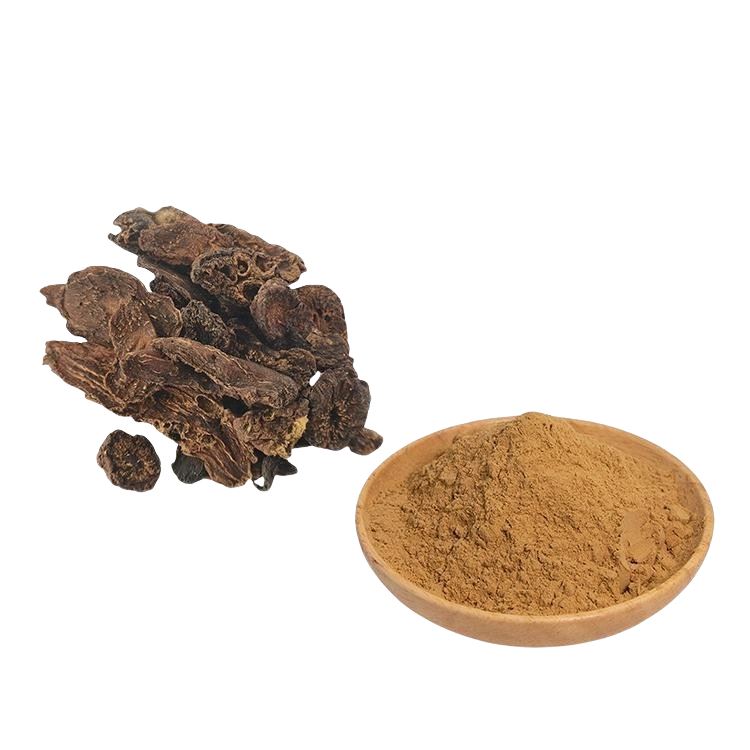
Peony root, the root of Paeonia species, has been used in traditional Chinese medicine for centuries. It contains a variety of bioactive compounds, including paeoniflorin, albiflorin, and paeonol. Paeoniflorin is one of the most abundant and well - studied constituents. It has been reported to possess anti - inflammatory, antioxidant, and immunomodulatory properties. These properties are crucial as chronic inflammation and oxidative stress are closely associated with the development and progression of diabetes.
Potential Anti - diabetic Mechanisms of Peony Root Extract
1. Insulin Sensitivity
Insulin resistance is a major hallmark of type 2 diabetes. Some studies suggest that paeoniflorin in peony root extract may enhance insulin sensitivity. In animal models of diabetes, paeoniflorin has been shown to increase the phosphorylation of insulin receptor substrate - 1 (IRS - 1) and Akt, two key proteins in the insulin signaling pathway. By activating this pathway, cells become more responsive to insulin, allowing for better uptake of glucose from the bloodstream into cells, thereby reducing blood glucose levels.

2. Glucose Metabolism
Peony root extract may also affect glucose metabolism. It can regulate the activity of enzymes involved in glucose production and utilization. For example, it may inhibit the activity of glucose - 6 - phosphatase, an enzyme that plays a crucial role in gluconeogenesis (the production of glucose from non - carbohydrate sources). By reducing gluconeogenesis, less glucose is released into the bloodstream, helping to maintain normal blood glucose levels.
3. Anti - inflammatory and Antioxidant Effects
As mentioned earlier, chronic inflammation and oxidative stress contribute to the development of diabetes. The bioactive compounds in peony root extract have anti - inflammatory and antioxidant properties. They can reduce the production of pro - inflammatory cytokines such as tumor necrosis factor - alpha (TNF - α) and interleukin - 6 (IL - 6), which are elevated in diabetic patients. At the same time, they can scavenge free radicals, protecting cells from oxidative damage. This is beneficial for pancreatic beta - cells, which are responsible for insulin secretion. Protecting these cells from inflammation and oxidative stress can help maintain normal insulin secretion.
Scientific Studies on Peony Root Extract and Diabetes
Several pre - clinical studies have provided evidence for the potential anti - diabetic effects of peony root extract. In a study conducted on streptozotocin - induced diabetic rats, oral administration of paeoniflorin significantly reduced fasting blood glucose levels, improved insulin sensitivity, and decreased lipid peroxidation. Another in vitro study showed that paeoniflorin could protect pancreatic beta - cells from high - glucose - induced apoptosis.
However, it is important to note that most of the current evidence comes from animal and in vitro studies. There is a lack of large - scale, well - designed clinical trials in humans. While the pre - clinical data are promising, more research is needed to confirm the efficacy and safety of peony root extract in the treatment of diabetes in humans.
Comparison with Other Herbal Extracts
In the field of natural remedies for diabetes, there are several other herbal extracts that have also been investigated. For example, Organic Moringa Leaf Powder has been reported to have hypoglycemic effects. It contains high levels of antioxidants, vitamins, and minerals, which can help regulate blood glucose levels. Olive Leaf Extract 40 Oleuropein is another herbal extract with potential anti - diabetic properties. Oleuropein, the main active component, has antioxidant and anti - inflammatory effects, and may also improve insulin sensitivity. Cistanche Deserticola Extract has been used in traditional medicine for its tonic effects and may also have a role in regulating blood glucose.
Each of these herbal extracts has its own unique mechanism of action. Peony root extract, with its specific bioactive compounds, offers a different approach to diabetes management compared to these other extracts. In some cases, a combination of different herbal extracts may provide a more comprehensive treatment strategy.
Safety and Considerations
When considering the use of peony root extract for diabetes treatment, safety is a crucial factor. In general, peony root has a long history of use in traditional medicine, and it is considered relatively safe when used appropriately. However, like any herbal product, it may interact with certain medications. For example, it may interact with anti - diabetic drugs, potentially affecting their efficacy or increasing the risk of side effects. Therefore, individuals with diabetes who are considering using peony root extract should consult their healthcare provider before starting any new supplement.
Conclusion and Call to Action
In conclusion, peony root extract shows promising potential in the treatment of diabetes based on pre - clinical studies. Its bioactive compounds may improve insulin sensitivity, regulate glucose metabolism, and have anti - inflammatory and antioxidant effects. However, more human clinical trials are needed to fully establish its efficacy and safety.
As a supplier of high - quality Peony Root Extract, we are committed to providing products that meet strict quality standards. If you are interested in exploring the potential of Peony Root Extract for diabetes management or other health applications, or if you have any questions about our products, please feel free to contact us for further information and to discuss potential procurement opportunities. We look forward to working with you to promote health and well - being through natural herbal extracts.
References
- Zhang, X., et al. "Paeoniflorin improves insulin sensitivity and lipid metabolism in high - fat diet - induced insulin - resistant rats." Journal of Ethnopharmacology, 2012.
- Li, Y., et al. "Protective effect of paeoniflorin on high - glucose - induced apoptosis in pancreatic beta - cells." Molecular Medicine Reports, 2015.
- Liu, Y., et al. "Antidiabetic and antioxidant effects of Moringa oleifera leaf extract in streptozotocin - induced diabetic rats." Journal of Medicinal Food, 2011.
- Visioli, F., et al. "Oleuropein and hydroxytyrosol: From antioxidant activity to the prevention of type 2 diabetes." Nutrients, 2018.
- Wang, Y., et al. "Pharmacological effects and mechanisms of Cistanche deserticola Y.C. Ma: A review." Journal of Ethnopharmacology, 2019.