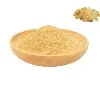
As a supplier of Cyanotis Arachnoidea, I've witnessed firsthand the beauty and potential of this unique plant. Cyanotis Arachnoidea, also known as the "spiderwort," is not only an aesthetically pleasing addition to any garden but also plays a crucial role in the ecosystem. One of the key aspects of its growth and survival is attracting pollinators. In this blog, I'll share some effective strategies on how to attract pollinators to Cyanotis Arachnoidea.
Understanding Pollinators and Their Importance
Pollinators, such as bees, butterflies, hummingbirds, and even some beetles, are essential for the reproduction of many plants, including Cyanotis Arachnoidea. When they visit the flowers in search of nectar and pollen, they transfer pollen from the male parts of the flower to the female parts, enabling fertilization and the production of seeds. This process is vital for the genetic diversity and survival of plant species.


Creating a Pollinator - Friendly Habitat
- Plant Diversity:
- Pollinators are attracted to a variety of flowers. Alongside Cyanotis Arachnoidea, plant other native flowering plants that bloom at different times of the year. This ensures a continuous supply of nectar and pollen. For example, you can plant wildflowers like coneflowers, asters, and milkweed. These plants not only attract pollinators but also add color and texture to your garden.
- Different pollinators have different preferences. Bees are often attracted to blue, purple, and yellow flowers, while butterflies are drawn to bright - colored, fragrant flowers. By diversifying your plant selection, you can attract a wider range of pollinators.
- Provide Shelter:
- Pollinators need places to rest, nest, and hide from predators. Incorporate elements like rock piles, log piles, and dense shrubs into your garden. These structures can serve as homes for bees, beetles, and other small insects.
- You can also install bee houses or butterfly shelters. Bee houses provide nesting sites for solitary bees, which are excellent pollinators. Butterfly shelters offer a safe place for butterflies to roost at night or during bad weather.
- Water Source:
- Pollinators need water to survive. Create a shallow water source, such as a birdbath or a small pond. Place some rocks or pebbles in the water so that pollinators can land and drink without drowning. Keep the water clean and fresh to attract more pollinators.
Optimizing Cyanotis Arachnoidea for Pollinators
- Proper Planting:
- Plant Cyanotis Arachnoidea in areas where it can receive adequate sunlight. Most pollinators are more active in sunny areas. However, make sure it also has some protection from strong winds, as this can damage the delicate flowers.
- Space the plants appropriately to allow for good air circulation. This helps prevent diseases and makes it easier for pollinators to access the flowers.
- Flower Characteristics:
- Cyanotis Arachnoidea has unique flowers that can be made more attractive to pollinators. Some studies suggest that the color and fragrance of the flowers can be enhanced through proper fertilization. Use organic fertilizers that are rich in nutrients like phosphorus and potassium, which can promote healthy flower development.
- The shape of the flower also matters. The tubular shape of Cyanotis Arachnoidea flowers may be particularly appealing to hummingbirds and long - tongued insects. By maintaining the health of the plant, you can ensure that the flowers are well - formed and accessible to pollinators.
- Avoid Pesticides:
- Pesticides can be harmful to pollinators. Instead of using chemical pesticides, opt for natural pest control methods. For example, you can introduce beneficial insects like ladybugs and lacewings, which feed on aphids and other pests.
- If you must use a pesticide, choose a product that is specifically labeled as safe for pollinators and apply it at a time when pollinators are less active, such as in the evening.
Utilizing Companion Plants
- Herbs:
- Herbs like basil, mint, and thyme are great companion plants for Cyanotis Arachnoidea. They attract pollinators with their fragrant flowers and also have some pest - repellent properties. For example, basil can help keep mosquitoes and flies away, while mint can deter aphids.
- These herbs can be planted around the Cyanotis Arachnoidea plants, creating a mutually beneficial environment. The pollinators attracted to the herbs will also visit the Cyanotis Arachnoidea flowers.
- Flowering Shrubs:
- Shrubs like lilacs and hydrangeas can be planted nearby. Their large, showy flowers attract pollinators from a distance. Once the pollinators are in the area, they are likely to also visit the Cyanotis Arachnoidea. The shrubs also provide additional shelter and a vertical element to the garden.
The Role of Nutritional Supplements
Some plants, like Eucommia Leaf Extract, 95 Saponins Tribulus Terrestris, and Ashwagandha Extract, have been studied for their potential benefits in promoting plant health. While research on their direct impact on attracting pollinators to Cyanotis Arachnoidea is limited, they may contribute to the overall vigor of the plant. For example, these extracts may enhance the plant's immune system, making it more resistant to diseases and pests. A healthy plant is more likely to produce vibrant, attractive flowers that will draw in pollinators.
Conclusion
Attracting pollinators to Cyanotis Arachnoidea is a rewarding endeavor that not only benefits the plant but also the entire ecosystem. By creating a pollinator - friendly habitat, optimizing the plant's growth conditions, and using companion plants, you can significantly increase the number of pollinators visiting your Cyanotis Arachnoidea. As a supplier of Cyanotis Arachnoidea, I encourage you to implement these strategies in your gardens. If you're interested in purchasing high - quality Cyanotis Arachnoidea for your projects or gardens, please feel free to contact me for further discussions and procurement.
References
- Kearns, C. A., Inouye, D. W., & Waser, N. M. (1998). Endangered mutualisms: the conservation of plant - pollinator interactions. Annual review of ecology and systematics, 83-112.
- Ollerton, J., Winfree, R., & Tarrant, S. (2011). How many flowering plants are pollinated by animals?. Oikos, 120(3), 321-326.
- Potts, S. G., Biesmeijer, J. C., Kremen, C., Neumann, P., Schweiger, O., & Kunin, W. E. (2010). Global pollinator declines: trends, impacts and drivers. Trends in ecology & evolution, 25(6), 345-353.