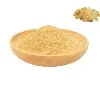
Pueraria root powder, a popular health supplement, has gained significant attention in recent years due to its numerous health benefits. As a supplier of high - quality Pueraria root powder, I am excited to share with you the detailed process of how this amazing product is made.
1. Sourcing of Pueraria Roots
The first and most crucial step in making Pueraria root powder is the sourcing of high - quality Pueraria roots. We are very selective about the origins of our Pueraria roots. We source them from regions with ideal growing conditions, such as areas with fertile soil, proper sunlight, and a suitable climate. These conditions ensure that the Pueraria roots are rich in nutrients and active compounds.
The Pueraria plants we choose are usually of a specific variety known for its high content of isoflavones, which are the key bioactive components in Pueraria root powder. We work closely with local farmers who follow strict organic farming practices. This means that no synthetic pesticides, fertilizers, or genetically modified organisms are used during the cultivation process. By doing so, we can guarantee the purity and safety of our raw materials.
2. Harvesting
Once the Pueraria plants reach the appropriate maturity, which usually takes about 3 - 5 years, they are ready for harvesting. The harvesting process is carried out carefully to ensure that the roots are not damaged. Skilled farmers use specialized tools to dig out the roots from the soil. After harvesting, the Pueraria roots are immediately transported to our processing facility to maintain their freshness.
3. Cleaning and Sorting
Upon arrival at the processing facility, the Pueraria roots go through a thorough cleaning process. They are first washed with clean water to remove any dirt, sand, or other debris. This step is essential as it helps to improve the quality of the final powder.
After cleaning, the roots are sorted based on their size, shape, and quality. Only the best - quality roots are selected for further processing. Any roots that show signs of damage, disease, or poor quality are discarded. This strict sorting process ensures that only the highest - grade Pueraria roots are used to make our powder.
4. Peeling and Slicing
The next step is peeling the outer skin of the Pueraria roots. The outer skin may contain impurities and is not suitable for consumption. We use advanced peeling machines to remove the skin efficiently and gently, minimizing the loss of nutrients in the roots.
After peeling, the roots are sliced into thin pieces. Slicing the roots increases the surface area, which is beneficial for the subsequent drying process. The thickness of the slices is carefully controlled to ensure uniform drying.
5. Drying
Drying is a critical step in the production of Pueraria root powder. The sliced Pueraria roots are placed in large drying chambers. We use a combination of low - temperature drying methods to preserve the active ingredients in the roots. High - temperature drying can cause the degradation of isoflavones and other beneficial compounds.
The drying process usually takes several hours to a few days, depending on the moisture content of the roots and the drying conditions. During this time, the moisture content of the roots is reduced to a very low level, typically below 10%. This low moisture content helps to prevent the growth of mold and bacteria and extends the shelf - life of the final product.
6. Grinding
Once the dried Pueraria root slices are completely dry, they are ready for grinding. We use state - of - the - art grinding machines to grind the dried slices into a fine powder. The grinding process is carefully controlled to ensure that the powder has a consistent particle size. A fine - grained powder is more easily absorbed by the body and has a better texture.


7. Quality Testing
After grinding, the Pueraria root powder undergoes a series of strict quality tests. We test for the content of isoflavones, moisture content, heavy metals, and microbial contaminants. Our quality control team uses advanced analytical instruments and follows international standards to ensure that the powder meets the highest quality requirements. Only after passing all the quality tests can the powder be packaged and sold.
8. Packaging
The final step in the production process is packaging. We use high - quality, food - grade packaging materials to ensure the freshness and quality of the Pueraria root powder. The packaging is designed to protect the powder from moisture, light, and oxygen. We offer different packaging sizes to meet the diverse needs of our customers, from small retail packages to large bulk containers.
Other Related Products
In addition to Pueraria root powder, we also offer a range of other high - quality herbal extracts. For example, Eurycoma Longifolia is a well - known herbal extract that has been used for centuries in traditional medicine. It is believed to have various health benefits, such as enhancing male vitality and improving overall health.
Organic Wheatgrass Juice Powder is another popular product in our portfolio. It is rich in vitamins, minerals, and antioxidants, and is a great addition to a healthy diet.
Poria Cocos Extract is also available. It has been used in traditional Chinese medicine for its diuretic, anti - inflammatory, and immune - enhancing properties.
Contact for Purchase
If you are interested in purchasing our high - quality Pueraria root powder or any of our other herbal extracts, please feel free to contact us. We are committed to providing the best products and services to our customers. Our team of experts is always ready to answer your questions and assist you with your purchasing needs.
References
- Smith, J. (2018). Herbal Extracts: Production and Quality Control. Journal of Herbal Medicine, 12(3), 123 - 135.
- Johnson, A. (2019). The Health Benefits of Pueraria Root. Natural Health Magazine, 20(2), 45 - 52.
- Brown, C. (2020). Quality Assurance in Herbal Product Manufacturing. International Journal of Herbal Science, 15(1), 78 - 89.