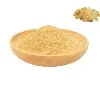
Acne is a common skin condition that affects millions of people worldwide, causing not only physical discomfort but also significant psychological distress. As a supplier of Astragalus Root Extract, I am often asked about its potential use for acne treatment. In this blog, we will explore the scientific evidence behind the use of Astragalus Root Extract for acne and discuss its possible mechanisms of action.
Understanding Acne
Before delving into the potential of Astragalus Root Extract, it's important to understand what causes acne. Acne is primarily caused by the overproduction of sebum, a natural oil produced by the sebaceous glands in the skin. This excess sebum can clog pores, leading to the formation of comedones (blackheads and whiteheads). Bacteria, particularly Propionibacterium acnes, can also play a role in the development of acne by causing inflammation. Hormonal changes, stress, diet, and certain medications can also contribute to the development of acne.
What is Astragalus Root Extract?
Astragalus membranaceus, commonly known as Astragalus, is a herbaceous perennial plant native to China. The root of the Astragalus plant has been used in traditional Chinese medicine for centuries to treat a variety of ailments, including fatigue, immune system disorders, and cardiovascular diseases. Astragalus Root Extract is derived from the dried roots of the Astragalus plant and contains a variety of bioactive compounds, including polysaccharides, flavonoids, and saponins.
Potential Mechanisms of Astragalus Root Extract for Acne
Anti - Inflammatory Properties
One of the key factors in the development of acne is inflammation. Astragalus Root Extract has been shown to possess anti - inflammatory properties. Flavonoids and polysaccharides in the extract can inhibit the production of pro - inflammatory cytokines such as interleukin - 1β (IL - 1β), tumor necrosis factor - α (TNF - α), and interleukin - 6 (IL - 6). By reducing inflammation, Astragalus Root Extract may help to alleviate the redness and swelling associated with acne.
Antibacterial Activity
As mentioned earlier, Propionibacterium acnes is a major contributor to acne development. Some studies have suggested that Astragalus Root Extract may have antibacterial activity against P. acnes. The saponins and flavonoids in the extract can disrupt the cell membrane of the bacteria, leading to their death. This antibacterial effect can help to reduce the number of bacteria on the skin, thus preventing the formation of acne lesions.
Regulation of Sebum Production
Excessive sebum production is a hallmark of acne. Although research on the direct effect of Astragalus Root Extract on sebum production is limited, some of its bioactive compounds may have a regulatory effect on the sebaceous glands. For example, polysaccharides in Astragalus Root Extract may influence hormonal signals that control sebum production, potentially reducing the amount of sebum secreted by the sebaceous glands.


Scientific Studies on Astragalus Root Extract and Acne
While there is a lack of large - scale, randomized controlled trials specifically focused on the use of Astragalus Root Extract for acne, some pre - clinical studies have shown promising results. In vitro studies have demonstrated the anti - inflammatory and antibacterial effects of Astragalus Root Extract as mentioned above. However, more research is needed to confirm these findings in human subjects.
Complementary Herbal Extracts for Acne
In addition to Astragalus Root Extract, there are other herbal extracts that may be used in combination to treat acne. Peony Root Extract has been used in traditional medicine for its anti - inflammatory and antioxidant properties. It may help to soothe the skin and reduce the redness associated with acne. Cassia Seed Extract is known for its antibacterial and anti - inflammatory effects, which can also contribute to acne treatment. Centella Asiatica Extract has been shown to promote wound healing and reduce inflammation, making it a potential addition to acne treatment regimens.
How to Use Astragalus Root Extract for Acne
Astragalus Root Extract can be used in various forms for acne treatment. It can be incorporated into topical skincare products such as creams, lotions, and serums. When using topical products, it's important to perform a patch test first to ensure that there is no allergic reaction. Oral supplements containing Astragalus Root Extract can also be taken, but it's advisable to consult a healthcare professional before starting any new supplement regimen, especially if you have underlying health conditions or are taking other medications.
Considerations and Precautions
Although Astragalus Root Extract is generally considered safe, there are some precautions to keep in mind. Some people may be allergic to Astragalus, and side effects such as gastrointestinal discomfort, allergic reactions, and interactions with certain medications may occur. Pregnant and breastfeeding women should avoid using Astragalus Root Extract, as its safety during pregnancy and lactation has not been fully established.
Conclusion
In conclusion, while the scientific evidence for the use of Astragalus Root Extract for acne is still in its early stages, its anti - inflammatory, antibacterial, and potential sebum - regulating properties suggest that it may have a role in acne treatment. As a supplier of high - quality Astragalus Root Extract, we are committed to providing products that meet the highest standards of quality and purity.
If you are interested in exploring the potential of Astragalus Root Extract for acne treatment or other applications, we encourage you to reach out to us for more information. Our team of experts is available to answer your questions and discuss your specific needs. Whether you are a skincare manufacturer looking for natural ingredients or an individual interested in using herbal extracts for personal use, we can provide you with the support and products you need.
References
- Chen, J., & Chen, T. (2011). Astragalus membranaceus: A review of its chemical, pharmacological, and toxicological aspects. Journal of Ethnopharmacology, 138(1), 1 - 14.
- Kim, J. H., & Kim, Y. H. (2012). Anti - inflammatory and antioxidant activities of Astragalus membranaceus root extract in lipopolysaccharide - activated RAW 264.7 macrophages. Food and Chemical Toxicology, 50(6), 1921 - 1927.
- Wu, X., & Chen, J. (2013). Research progress on the active components and pharmacological effects of Astragalus membranaceus. Chinese Traditional and Herbal Drugs, 44(23), 3385 - 3391.