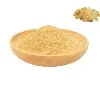
Introducing fruit powder to babies is an excellent way to enhance their nutrition intake, especially when fresh fruits are not readily available or during certain seasons. As a fruit powder supplier, I understand the importance of providing high - quality products that are safe and beneficial for our little ones. In this blog, I'll share some valuable insights on how to introduce fruit powder to babies.
Understanding the Benefits of Fruit Powder for Babies
Fruit powders are concentrated forms of fruits. They retain most of the vitamins, minerals, and antioxidants that fresh fruits offer. For example, Organic Beet Root Juice Powder is rich in iron, folate, and vitamin C. Iron is crucial for a baby's cognitive development and immune function, while vitamin C aids in iron absorption.
Moreover, fruit powders are convenient. They have a longer shelf - life compared to fresh fruits, which means you can always have a supply on hand. This is particularly useful when traveling or when fresh produce is scarce. They also eliminate the need for peeling, cutting, and removing seeds, making it easier to incorporate fruits into your baby's diet.
When to Start Introducing Fruit Powder
The American Academy of Pediatrics generally recommends starting solid foods for babies around 6 months of age. However, every baby is different, and it's essential to look for signs of readiness. These signs include the ability to sit up with support, showing interest in food, and having good head and neck control.
Before introducing fruit powder, it's advisable to start with single - grain cereals and pureed vegetables. Once your baby has become accustomed to these foods, usually around 7 - 8 months, you can gradually introduce fruit powder.
Choosing the Right Fruit Powder
As a fruit powder supplier, I know that not all fruit powders are created equal. When selecting a fruit powder for your baby, consider the following factors:
- Purity: Look for fruit powders that are free from artificial colors, flavors, and preservatives. Organic fruit powders are a great option as they are grown without the use of pesticides and synthetic fertilizers.
- Nutritional Value: Different fruits offer different nutrients. For example, banana powder is rich in potassium, which is important for heart health and muscle function. Apple powder contains pectin, a type of fiber that can aid in digestion.
- Source: Ensure that the fruit powder is sourced from reputable farms. This guarantees the quality and safety of the product.
How to Introduce Fruit Powder to Your Baby
Start Slowly
Begin by mixing a small amount of fruit powder with breast milk, formula, or a small amount of water. For the first few days, use just a 1/4 to 1/2 teaspoon of fruit powder. This allows your baby to get used to the new taste and texture.
Observe for Allergic Reactions
After feeding your baby the fruit powder mixture, closely observe for any signs of allergic reactions such as rashes, vomiting, diarrhea, or difficulty breathing. If you notice any of these symptoms, stop feeding the fruit powder immediately and consult your pediatrician.
Gradually Increase the Amount
Once your baby has tolerated the initial introduction, you can gradually increase the amount of fruit powder over time. By the end of the first week, you can increase the amount to 1 - 2 teaspoons per day.


Incorporate into Different Foods
As your baby gets more used to the taste of fruit powder, you can start incorporating it into other foods. You can mix it into pureed vegetables, yogurt, or even use it to make fruit - flavored pancakes or muffins. For example, adding a little Organic Beet Root Juice Powder to carrot puree can add a sweet and nutritious twist.
Special Considerations
Sugar Content
Some fruit powders may have a relatively high sugar content, especially if they are made from very sweet fruits. While natural sugars from fruits are generally healthier than added sugars, it's still important to monitor your baby's sugar intake. Opt for fruit powders made from less sweet fruits or dilute them well.
Interaction with Medications
If your baby is taking any medications, it's important to consult your pediatrician before introducing fruit powder. Some fruits may interact with certain medications. For example, grapefruit can interact with some antibiotics and blood - pressure medications.
Other Fruit - Related Supplements
In addition to traditional fruit powders, there are also some plant - based supplements that can be beneficial for babies. Curcumin is a compound found in turmeric. It has anti - inflammatory and antioxidant properties, which can help boost the immune system. Coptis Extract (Berberine Hydrochloride) has been used in traditional medicine for its antibacterial and anti - inflammatory effects. However, it's crucial to consult your pediatrician before giving any supplements to your baby.
Conclusion
Introducing fruit powder to your baby can be a great way to provide them with essential nutrients and add variety to their diet. As a fruit powder supplier, I am committed to providing high - quality products that meet the needs of both parents and babies. If you are interested in learning more about our fruit powder products or have any questions about introducing fruit powder to your baby, please feel free to reach out. We are here to assist you in making the best choices for your little one's health.
References
- American Academy of Pediatrics. (2023). Caring for Your Baby and Young Child: Birth to Age 5.
- World Health Organization. (2022). Guidelines on infant and young child feeding.
- Harvard T.H. Chan School of Public Health. (2023). The Nutrition Source.